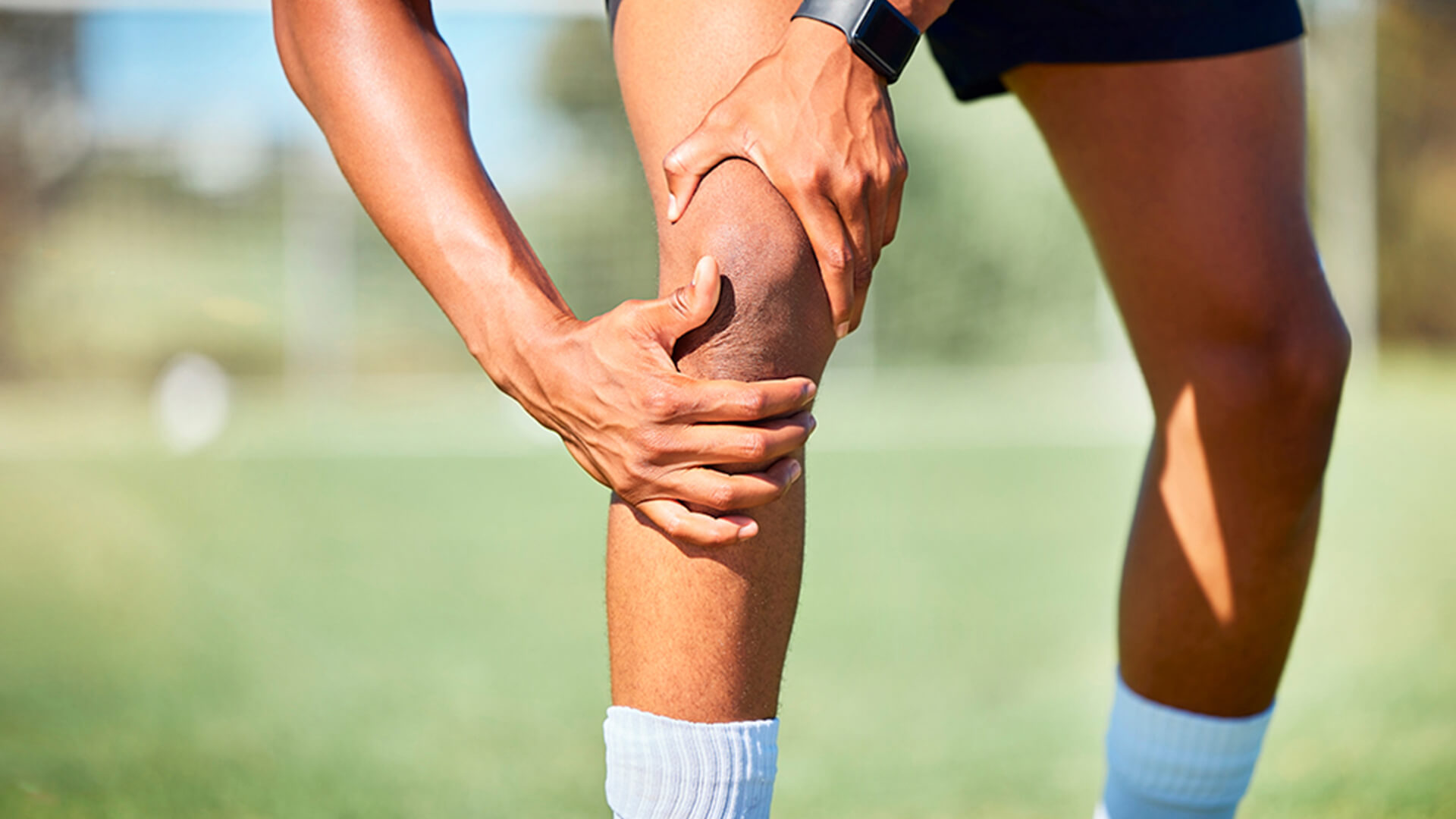
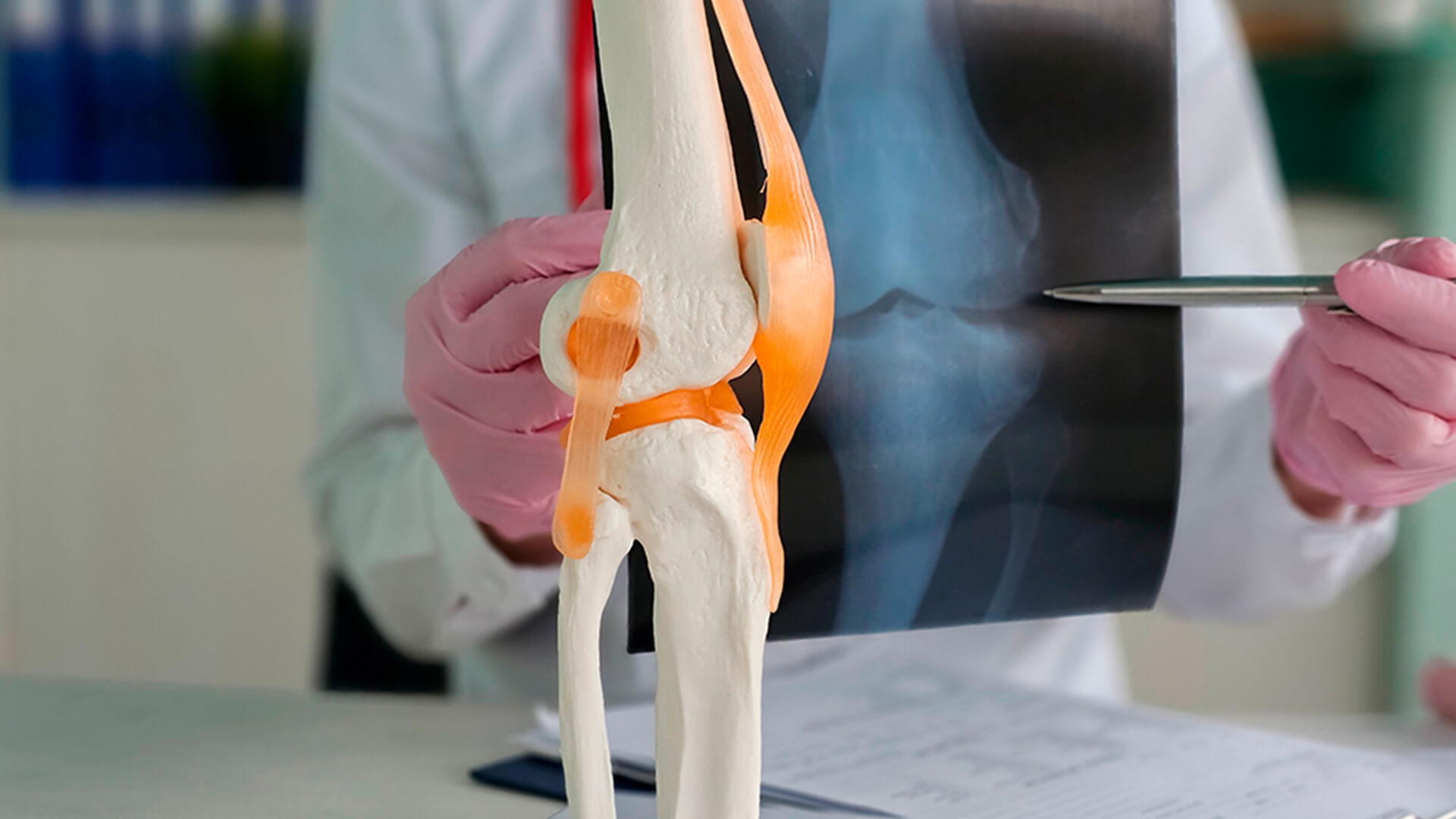
Sports and Exercise Medicine is the medical specialty dedicated to the prevention, assessment, diagnosis, treatment, and rehabilitation of injuries and conditions associated with physical exercise and sport, across all ages and levels of participation—from occasional physical activity practitioners to elite competitive athletes.
The Sports and Exercise Medicine physician focuses on the relationship between physical exercise, health, and athletic performance. In addition to treating injuries, they play an essential role in safeguarding the practitioner’s health, assessing physical fitness, and providing safe guidance for physical activity.
When is Sports and Exercise Medicine recommended?
Medical evaluation is essential in the following cases:
• Before starting physical activity, to assess fitness and ensure safe guidance;
• When there is pain or injury that limits or prevents training, allowing for diagnosis, treatment, and prevention of new injuries;
• To improve sports performance, with specialized monitoring and guidance;
• In the presence of symptoms during exertion, such as shortness of breath, dizziness, chest pain, or palpitations;
• In people with diseases or risk factors, such as diabetes, high blood pressure, asthma, or cardiovascular conditions, to ensure safe training;
• During regular check-ups, to monitor physical condition, prevent injuries, and control cardiovascular risk;
• Mandatory for federated athletes, through the Sports Medical Examination, whose main objective is to detect conditions associated with the risk of sudden death or diseases that may worsen with physical exertion.
What happens during a Sports and Exercise Medicine consultation?
Anyone starting sports practice should consult a Sports and Exercise Medicine specialist to receive relevant guidance for physical exercise. Follow-up consultations help prevent musculoskeletal injuries, reduce the risk of cardiovascular disease, and ensure the desired athletic performance.
A Sports Medicine consultation includes:
• Complete clinical history and goal setting, taking into account the level of physical activity and health status;
• General and musculoskeletal physical examination, focused on the prevention and identification of injuries;
• Cardiac assessment, which may include an electrocardiogram (ECG) and, in many cases, a stress test;
• Analysis of physical condition and fitness for sports practice;
• Identification of risk factors, particularly cardiovascular and exercise-related injuries;
• Prescription of a personalized exercise plan, tailored to individual needs and goals;
• Evaluation, diagnosis, treatment, and prevention of injuries caused by overuse, wear and tear, or trauma;
• Guidance on safe physical exercise and referral to other specialties whenever necessary.
What are the main sports injuries?
Sports injuries may result from acute trauma, overuse, or sudden movements, commonly affecting the knee, ankle, foot, shoulders, and elbows. The most common sports-related injuries include:
· Sprains: Ligament injuries, with ankle sprains (especially inversion injuries) being the most common in sports practice.
· Muscle injuries: Strains, pulls, contractures, and muscle tears, commonly affecting the thigh and occurring in sports such as football (soccer).
· Tendinopathies and tendinitis: Inflammatory or degenerative tendon injuries caused by overuse and repetitive movements, such as tennis elbow or patellofemoral pain in the knee.
· Bone stress injuries (stress fractures): Result from prolonged overload, and are common in endurance athletes such as runners.
· Ligament and meniscus injuries: More severe injuries, such as anterior cruciate ligament (ACL) tears or meniscal injuries, associated with twisting movements or impact.
· Lower back pain: Pain in the lumbar region, related to overload, poor posture, or muscular imbalances.
· Plantar fasciitis: Inflammation of the plantar fascia, causing heel pain, especially in impact sports or running.
· Contusions and dislocations: Direct trauma resulting from impacts or falls. Contusions cause pain and bruising, while dislocations involve displacement of bones, most commonly in the shoulder.
· Bursitis: Inflammation of the joint bursae, usually associated with repetitive movements or prolonged pressure on the joint.