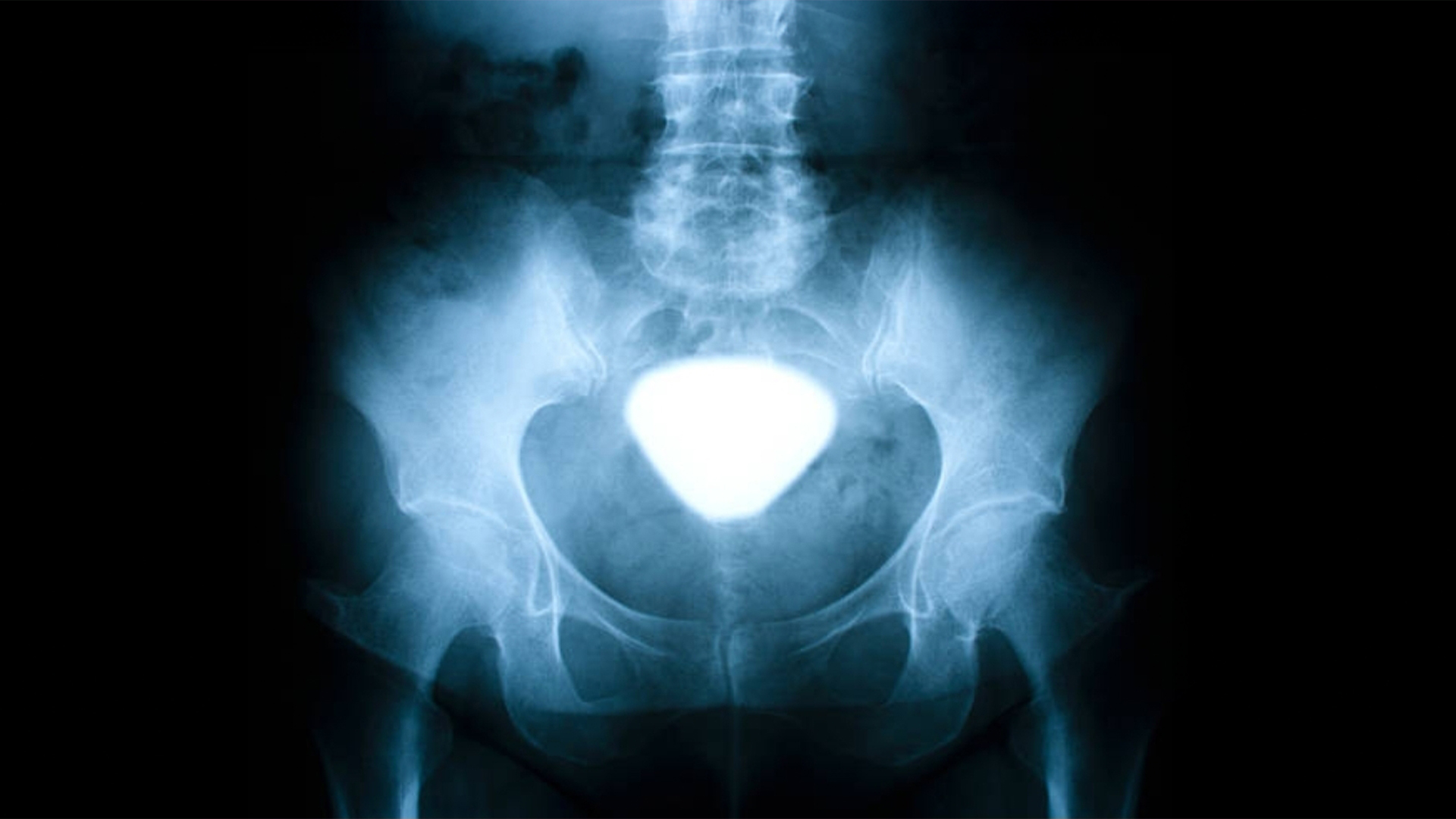
In Portugal, kidney cancer affects 1600 people each year. Find out what to look out for and how to treat this condition.
Kidney cancer is a silent disease without obvious symptoms. It is usually detected between the ages of 50 and 70, through routine exams. It is rarely discovered at an advanced stage. When diagnosed early, 10-year remission rates can exceed 90%. Find out the principal symptoms and what to do if you are at risk.
What is a malignant kidney tumour?
Kidney cancer occurs when a genetic alteration causes kidney cells to multiply in an uncontrolled and autonomous manner. This proliferation can develop into a malignant tumour. Clinically referred to as renal cell carcinoma (RCC), the malignant cells can spread to healthy tissue, ultimately affecting other organs through metastases.
Kidney cancer is easier to treat successfully if detected early. In advanced stages, the kidney tumour may be too big, making surgery more complex. Therefore, the later it is diagnosed, the worse the outcome. This is why it’s essential to complete routine medical exams prescribed by your physician, and pay attention to certain signs and symptoms.
What are the risk factors?
The agent that causes these genetic mutations is still unknown. However, several factors are considered a risk, as they may increase the likelihood of developing this type of cancer. However, it should be noted that these risk factors don’t necessarily mean that you will develop renal cell carcinoma , while some people who never presented any of these signs may develop the disease.
• Smoking: Tobacco is the primary risk factor for kidney cancer. Smokers are twice as likely to develop this cancer than non-smokers.
• Obesity: People who are overweight are at a greater risk of developing kidney cancer.
• Hypertension: People with consistently high blood pressure are more likely to develop kidney cancer.
• Heredity: Having a first-degree relative with kidney cancer is also a potential risk factor.
• Chronic dialysis: Long-term dialysis to compensate for impaired kidney function is another risk factor.
• Profession: Workers with prolonged exposure to chlorinated chemicals in the workplace risk developing kidney cancer. For example, iron and steel industry workers or workers exposed to asbestos or cadmium.
• Gender: Kidney cancer is more common in men that women, at an estimated ratio of 3 to 2.
• Von Hippel-Lindau (VHL) syndrome: This is a rare disease that alters the VHL gene, which, in turn, increases the risk of developing this cancer. Family members of individuals with VHL syndrome can be screened to determine if they also have this gene mutation, so that the medical team can provide the right clinical guidance before symptoms appear.
Therefore, if you think you may be at risk, discuss your concerns with your urologist as soon as possible.
What are the symptoms of kidney cancer?
Most cases don’t present any symptoms in the early stages, and are usually discovered by chance in an abdominal ultrasound or CT scan. However, you should pay attention and consult your urologist if there is blood in your urine, or if you experience persistent lower back pain, loss of appetite, weight loss, fever or fatigue.
In advanced stages, the cancer can spread to the liver, lungs or bones. In these cases, the typical signs are shortness of breath, coughing up blood, pain in the bones, or a palpable or visible abdominal mass.
How is it diagnosed?
The diagnosis is made by a urologist, based on the patient’s medical history and a series of diagnostic exams.
• Physical examination: In the first consultation, the physician assesses general signs such as fever and blood pressure, as well as abdominal and lateral palpation.
• Blood and urine tests: The lab analyses the patient’s urine to check for traces of blood. Blood tests can determine kidney function and other elements that indicate the aggressiveness of the kidney tumour.
• Imaging exams: The physician may prescribe kidney ultrasound, computerised tomography (CT or CAT scan) or magnetic resonance imaging (MRI) to obtain a sequence of detailed images of the kidneys, thereby confirming if there is a tumour.
• Biopsy: In case of doubts, a sample of kidney tissue is collected in a biopsy, to be analysed by the Pathology Lab, which allows tumour cells to be identified, thus confirming the diagnosis.
Staging is essential to determine the type of treatment to apply.
o Stage I – small tumour, less than 7 cm.
o Stage II – larger tumour, over 7 cm.
o Stage III – the tumour has spread to the renal vein and/or vena cava.
o Stage IV – the tumour has spread extensively, to tissues surrounding the kidney, or through metastases in other organs.