Cardiology is the medical specialty dedicated to the prevention, diagnosis, and treatment of diseases of the cardiovascular system, including the heart (muscle, heart valves, and electrical system) and the large blood vessels of the chest.
At Joaquim Chaves Saúde, the Cardiology Service comprises two key areas:
-
-
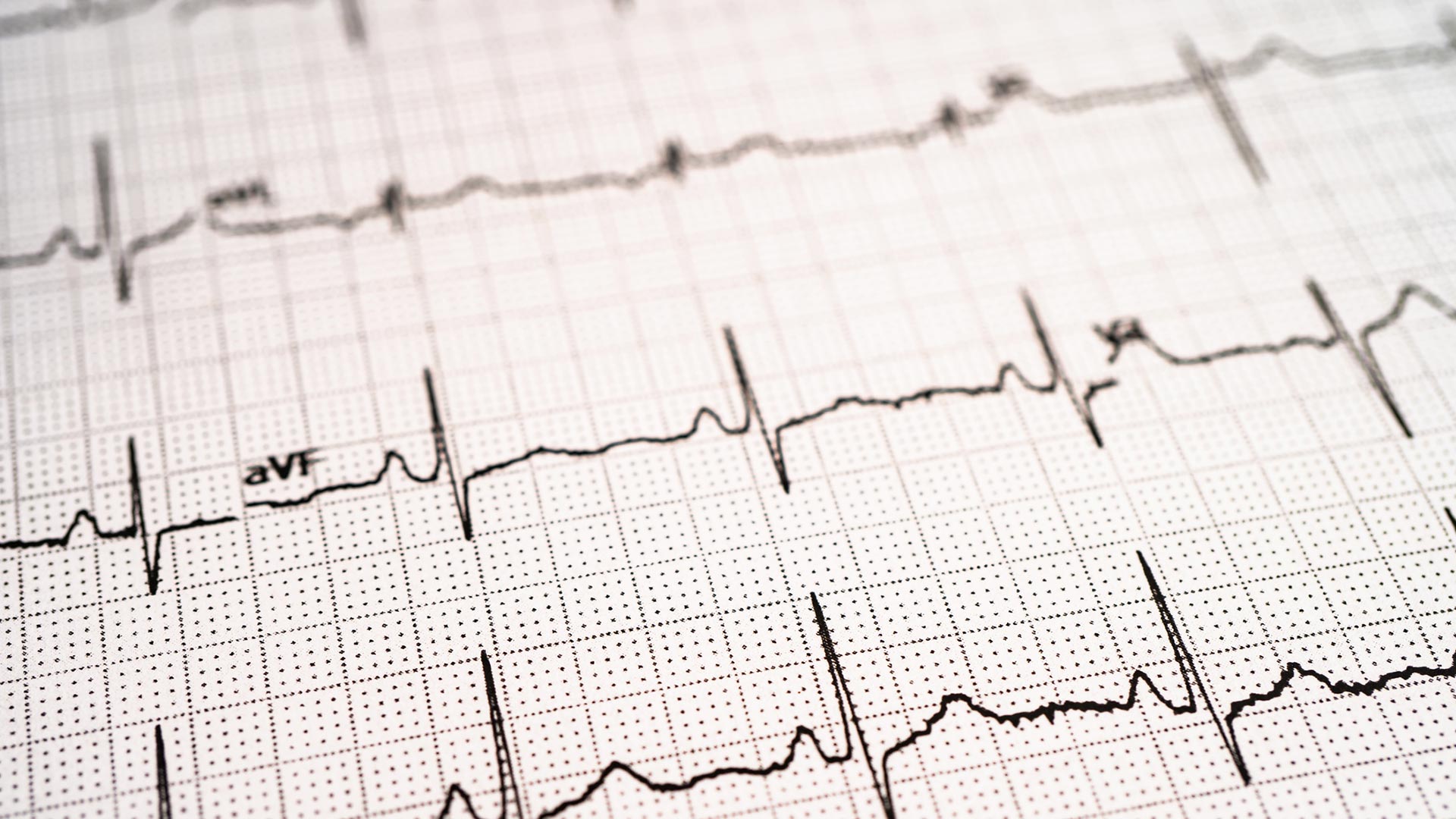
Arrhythmology: Diagnosis and treatment of heart rhythm abnormalities, including conduction blocks and arrhythmias (such as atrial fibrillation).
Our cardiologists are highly experienced specialists in the treatment of cardiovascular diseases, ensuring personalised care, proactive prevention, and early diagnosis.
When should I see a cardiologist?
Seeing a cardiologist is essential whenever you experience symptoms that may indicate changes in how your heart is functioning. These signs and/or symptoms should be taken seriously, especially if they appear suddenly or persist over time:
-
-
Chest pain (angina)
-
Palpitations
-
Changes in heart rhythm or heartbeat
-
Dizziness, fainting, or extreme fatigue
-
High blood pressure
-
Swelling (oedema) in the legs or ankles
In addition to symptoms, there are situations in which a cardiology assessment is recommended even if you have no obvious complaints. You should consult a cardiologist if you:
-
-
Have high cholesterol, diabetes, or high blood pressure
-
Are or have been a smoker
-
Are starting a new exercise programme
-
Have concerns about your heart rate or whether your heart rhythm is normal
Early detection of cardiovascular changes allows treatment to begin promptly, reduces the risk of serious complications, and can significantly improve quality of life. If you have symptoms or risk factors, do not delay your heart health assessment.
Main Cardiovascular Diseases
Cardiovascular diseases include a group of conditions that affect the heart and blood vessels. Many develop silently but can progress to serious and potentially life-threatening situations, such as myocardial infarction, heart failure, arrhythmias, or cardiac arrest. Below are some of the most common heart conditions:
-
-
Angina: Chest pain or pressure caused by reduced blood flow to the heart, usually due to coronary artery disease. Common symptoms include chest tightness, shortness of breath, and fatigue during physical effort.
-
Cardiac Arrhythmias: Abnormal heart rhythms, which may be too fast (tachycardia), too slow (bradycardia), or irregular. They are often felt as palpitations.
-
Cardiomyopathy: Disease of the heart muscle that impairs its ability to pump blood effectively (for example, hypertrophic, dilated, ischaemic, or non-ischaemic forms). It may lead to heart failure, arrhythmias, or sudden cardiac death.
-
Peripheral Arterial Disease: Narrowing or blockage of the arteries in the legs, usually caused by atherosclerosis. Symptoms include pain when walking, cold feet, and poor wound healing.
-
-
Heart Valve Disease (Valvular Heart Disease): Disorders affecting the heart valves, which can cause shortness of breath, fatigue, dizziness, and fluid retention.
-
Myocardial Infarction (Heart Attack): Complete blockage of a coronary artery. This is a medical emergency, with symptoms such as severe chest pain, cold sweats, and nausea.
-
Aortic Stenosis: Narrowing of the aortic valve, making it difficult for blood to leave the heart. It is more common in older adults and may cause fatigue, shortness of breath, dizziness, or chest pain.
-
High Blood Pressure (Hypertension): Persistently elevated blood pressure, often without symptoms. It is a major risk factor for stroke, coronary artery disease, and heart failure.
-
- Cardiology Consultation
- Paediatric Cardiology Consultation
- Cardiac Surgery Consultation
- Arrhythmology Consultation
- Cardio-Oncology Consultation
- Pacemaker Consultation
- Hypertension Consultation
- Cardiovascular Risk Assessment Consultation