SIBO: what it is, symptoms, causes and treatment

Find out what SIBO is, and learn about the symptoms and risk factors, how this condition is diagnosed and the available treatment options.

Related Tags

  • Gastroenterology
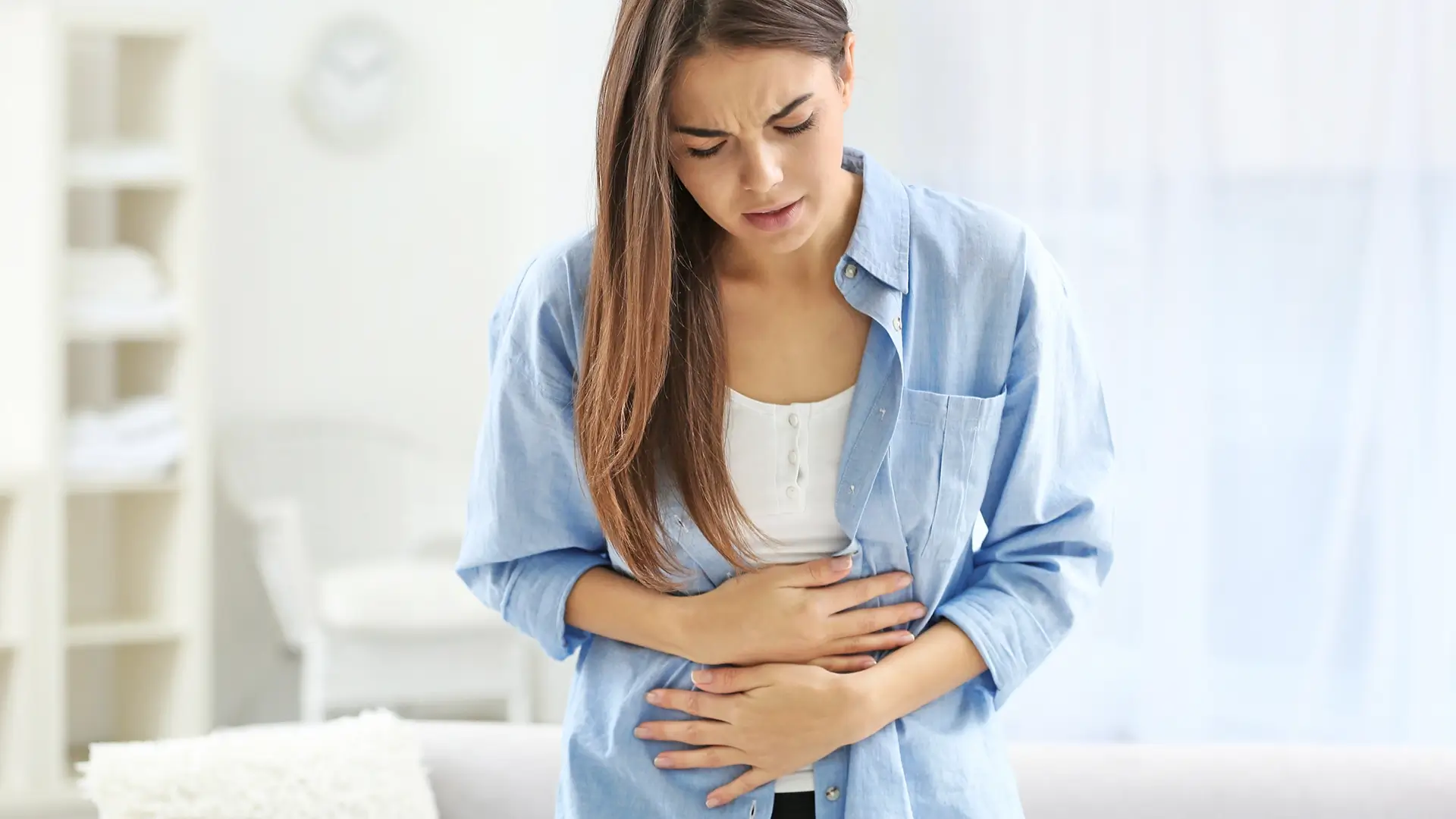
Woman at home with hands on her abdomen, displaying digestive symptoms and SIBO-related abdominal discomfort.

In addition to discomfort, this condition can cause malabsorption of nutrients. In this article, we explain what SIBO is, the related causes, as well as how it is diagnosed and treated.


SIBO: what is it?

SIBO, or Small Intestinal Bacterial Overgrowth, occurs when there is an abnormal increase in bacteria in a part of the bowel where these are usually present in lower quantities.
Under normal conditions, the small intestine completes food digestion and delivers nutrients to the body using enzymes and controlled quantities of gut microbiota. 
When there is bacterial overgrowth in this area, bacteria compete with the body for nutrients and may ferment carbohydrates prematurely, which can lead to gas, flatulence and bloating. SIBO may also cause malabsorption of essential fats and nutrients, such as vitamin B12 and iron, which can affect nutritional status. If the underlying cause is not treated, these symptoms can persist and become chronic.


SIBO: symptoms

The symptoms of SIBO can vary from person to person and, in many cases, are confused with other digestive issues. We list below some of the most common signs:

Bloating

Abdominal bloating is one of the most common signs. Many people experience abdominal pressure or distension, especially after meals.

Gas and abdominal pain

Excessive gas and abdominal pain or cramps are also common. This discomfort can be mild or more severe, and may recur throughout the day.

Changes in bowel function

SIBO can cause diarrhoea, constipation or a combination of the two. In some people, symptoms can last for weeks or months. In cases where the warning signs include blood loss, anaemia or prolonged changes in bowel function, the physician may recommend a colonoscopy to rule out other causes.

Fatigue and malabsorption

When nutrient absorption is impaired, symptoms can include fatigue, low energy and signs of nutritional deficiency. In some cases, weight loss or vitamin deficiencies can also occur. As some symptoms are similar to situations of food allergy/hypersensitivity, the physician may consider this possibility during the assessment.


SIBO: causes and risk factors

SIBO tends to occur when something interferes with the bowel’s regular function or the digestive tract’s natural defences.

  • Altered intestinal motility

  • Extended use of medications that reduce acidity

  • Structural intestinal disorders

  • Diabetes and other associated disorders

SIBO: diagnosis

Glucose or lactulose breath tests are the most common methods. These tests measure hydrogen and methane in exhaled air, gases that can increase in the event of SIBO. The physician may also prescribe additional tests and exams to determine the cause of the symptoms and rule out other disorders. In some cases, the physician can also recommend an abdominal ultrasound to help rule out other causes for the symptoms.


SIBO: treatment

Treatment depends on the cause, severity of the symptoms and general condition of the patient.

Antibiotics

In many cases, the gastroenterologist may prescribe a specific antibiotic, selected according to the clinical condition. Self-medicating is not advised.

Dietary adjustments

The patient’s diet may also require some adjustments. A low-FODMAP diet (fermentable oligosaccharides, disaccharides, monosaccharides and polyols) can help reduce discomfort in some people, but this should be recommended by a nutritionist to avoid unnecessary restrictions. Nutritional support can help define the best dietary plan for each case.

Treating the underlying cause

Treating the underlying cause is essential to reduce the risk of recurring episodes. In the case of constipation, altered intestinal motility, diabetes or another related disorder, this problem should be addressed simultaneously.

SIBO: frequently asked questions

The replies below help answer some frequently asked questions about SIBO and its impact on everyday life.

  • What are the most common tests used to diagnose SIBO?

  • Is there a relationship between SIBO and Irritable Bowel Syndrome (IBS)?

  • Can dietary changes help control SIBO?

  • Can SIBO cause vitamin or nutrient deficiencies?

  • When is it advisable to repeat the test after treatment?

  • Can chronic bloating be a sign of SIBO?

  • Can SIBO recur after treatment?

SIBO: take care of your gut health with Joaquim Chaves Saúde

SIBO is a treatable condition, but an accurate diagnosis and specialist care are essential to control symptoms and reduce the risk of recurring episodes. If you suffer from persistent bloating, gas, abdominal pain or changes in bowel function, seek a medical assessment.

At Joaquim Chaves Saúde, you can count on gastroenterology consultations, exams and tests that help identify the cause of your symptoms, with support from a multidisciplinary team whenever necessary. Schedule your consultation or test and take the first step towards getting the right care.

Clinical Team

We have a team of doctors and health professionals, specialists in various areas, available to give you the support you need.

  • António Alberto Santos
    Medic-coordinator
    António Alberto Santos
    Speciality/Service
    Gastroenterology
    Key areas of expertise
    Diagnostic and therapeutic endoscopy , Biliary tract and pancreas, ERCP , Ecoendoscopy , Hepatology
    Healthcare Units
    Clínica de Sintra, Clínica Cirúrgica de Carcavelos, Clínica de Miraflores, Clínica de Cascais
  • Inês Marques
    Medic-coordinator
    Inês Marques
    Speciality/Service
    Gastroenterology
    Key areas of expertise
    General gastroenterology , Digestive oncology , Hepatology , Intensive care in gastroenterology , Diseases of the pancreas and bile ducts , Elective and urgent diagnostic and therapeutic endoscopy , Echoendoscopy , Echography , Percutaneous endoscopic gastrostomy , Enteric nutrition
    Healthcare Units
    Clínica de Moscavide

Gastroenterology

Get to know this area of health and find the right care for you.

Book Appointment and Exam

Book an appointment or an exam to receive the best medical care.
Share