Pelvic congestion syndrome is a condition that severely affects a woman’s quality of life. Understanding this disorder is the first step towards recognising the symptoms, seeking a diagnosis and ensuring the necessary care to prevent future problems.
What is Pelvic congestion syndrome?
Pelvic congestion syndrome is a chronic disorder that affects mostly women and, although it is widely unknown, it significantly impacts wellbeing.
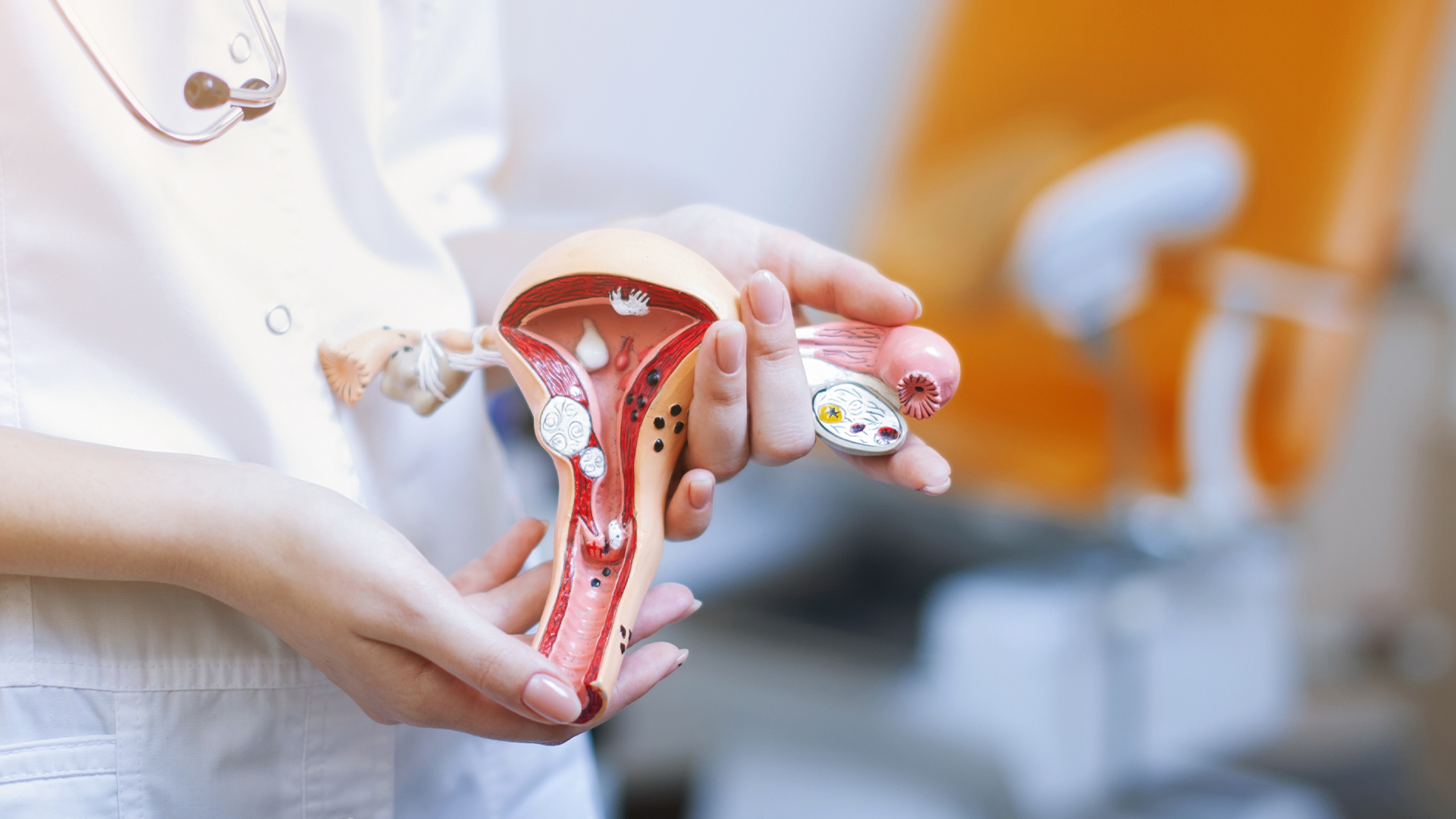
This condition occurs when the body develops varicose veins in the pelvic region, in other words, dilated veins around organs like the uterus and ovaries. As with varicose veins in legs, these veins lose the ability to circulate blood efficiently, causing blood congestion that creates pressure and pain.
This is not a common case of fatigue; this is a disorder that can cause a feeling of constant suprapubic “heaviness” and major discomfort. Although in most cases these varicose veins do not pose immediate danger, they require specialised medical supervision.
What are the symptoms of Pelvic congestion syndrome?
To better understand this condition and its real impact on everyday life, it’s important to know the most common signs:
Chronic pelvic pain
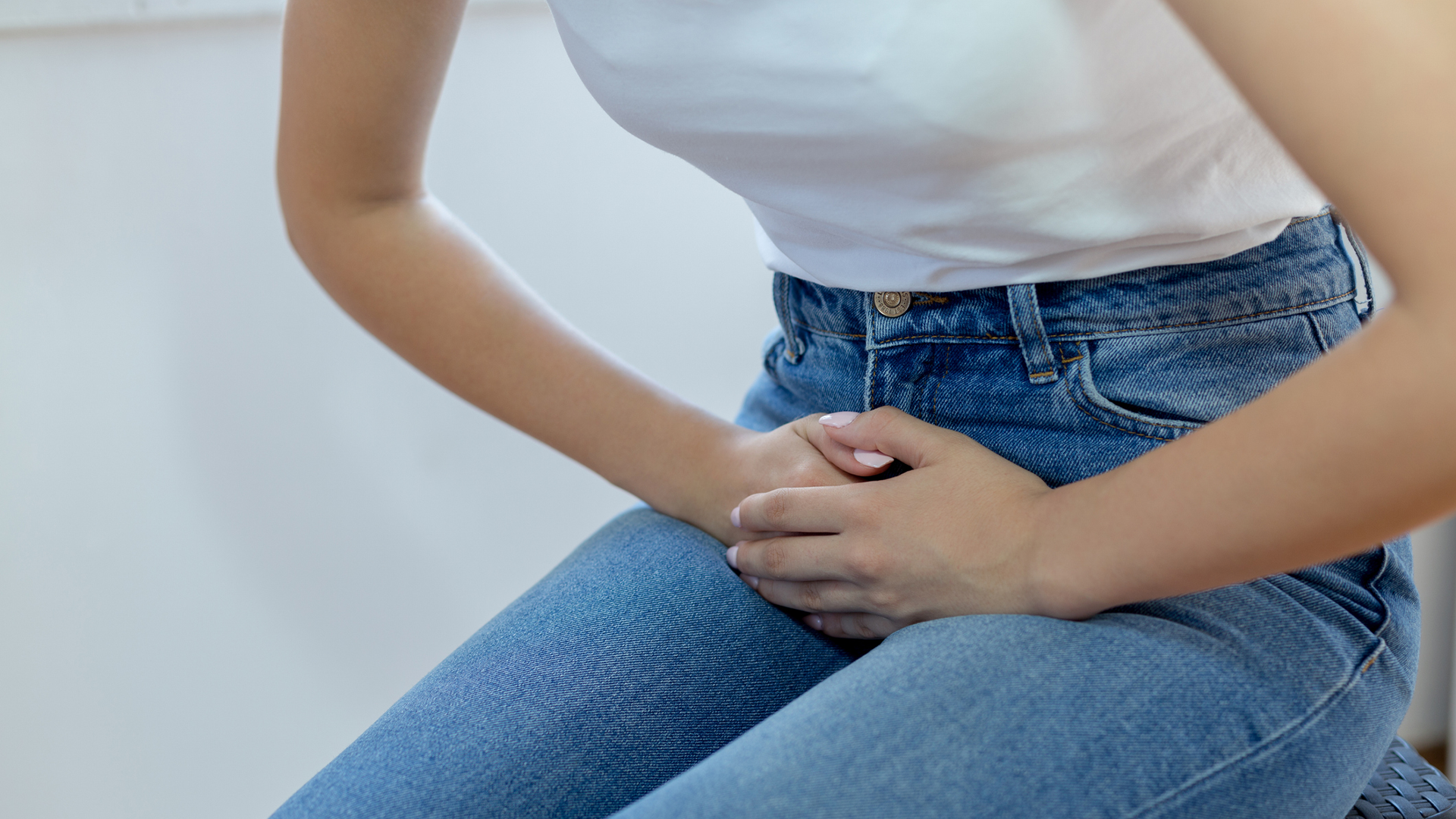
A dull ache or feeling of heaviness in the lower abdominal region that lasts for more than six months.
Worsens throughout the day
Discomfort tends to worsen after spending long periods standing or sitting, as circulation becomes compromised and impairs venous return (the circulation that returns blood to the heart).
Discomfort after contact or exertion
Many women feel more pain after physical activities or sexual intercourse, which interferes with their personal life, emotional wellbeing and quality of life.
Sensitivity and pain to touch
The affected areas can become painful when palpated, causing a feeling of internal ‘tightness’ that makes simple everyday tasks difficult.
Visible varicose veins and bruises
In some cases, dilated veins can appear on the thighs, buttocks or vulva, along with a greater tendency to bruise for no apparent reason.
Urinary symptoms
Due to the proximity of the dilated veins to the bladder, it’s common to feel a sudden or more frequent need to urinate. In some cases, mild stress urinary incontinence may occur (when coughing or laughing).
Vaginal discharge and swelling
Some women report an increase in vaginal discharge (unrelated to infections) and a distinct feeling of bloating or tension in the pelvic and abdominal area.