How is conjunctivitis diagnosed?
Conjunctivitis is diagnosed during an Ophthalmology consultation, through an assessment of the symptoms and a clinical examination. The physician will examine the redness, the type of discharge, eyelid swelling and other visible signs of inflammation. Based on the symptoms, the physician is able to identify the type of conjunctivitis.
Additional tests may be required, such as collecting a sample of the eye discharge for laboratory analysis, which helps identify the specific bacteria or virus responsible for the eye infection. This test is useful to determine the most effective treatment. In the case of allergic conjunctivitis, allergy tests can be performed to identify the specific allergens that are causing the symptoms.
How is conjunctivitis treated?
The treatment for conjunctivitis depends on the underlying cause and should always be prescribed and monitored by a physician. The therapeutic approaches can include:
Bacterial conjunctivitis: treatment
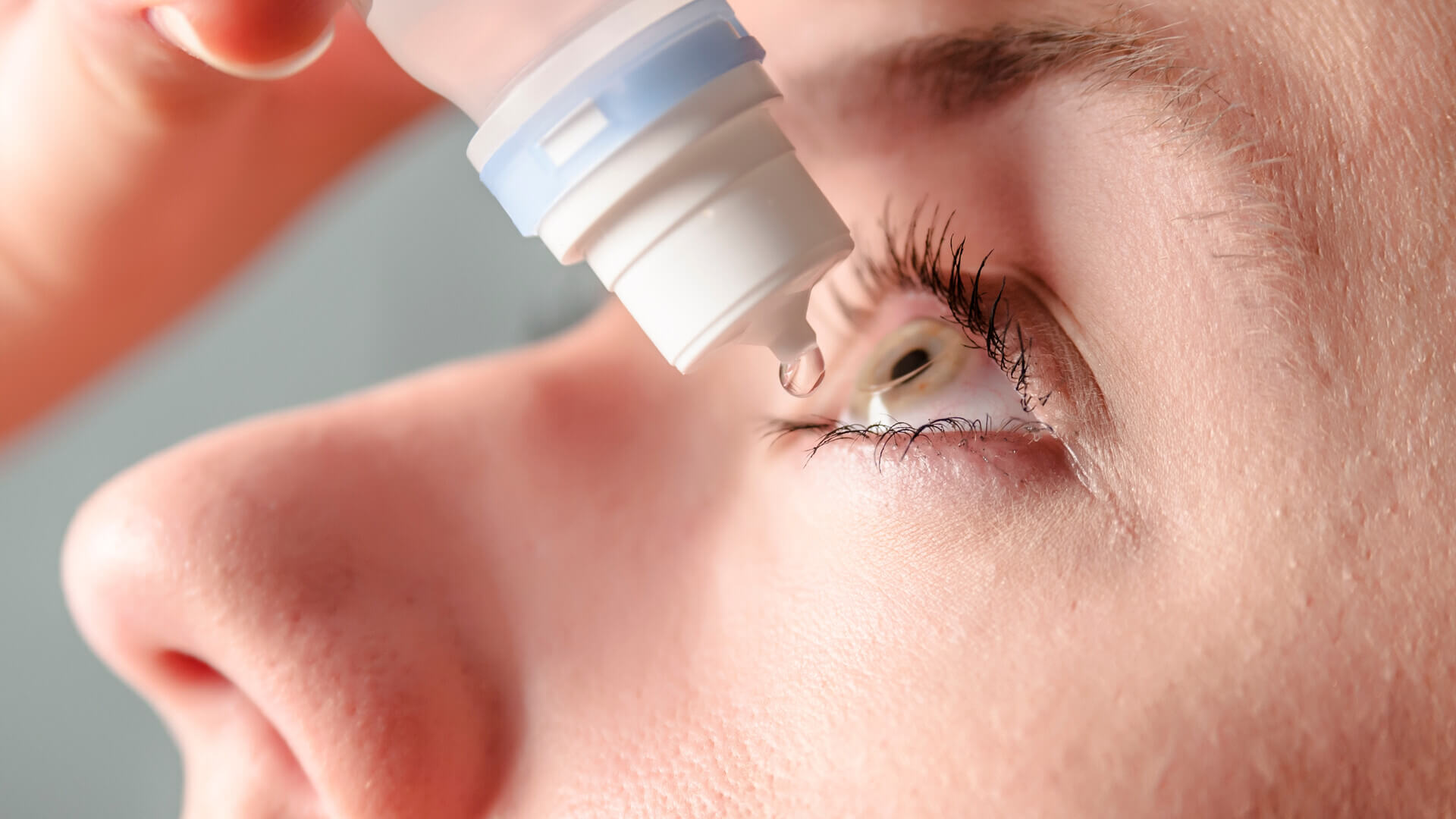
In the case of bacterial conjunctivitis, the most common treatment involves using antibiotics to eliminate the infection. These antibiotics are usually prescribed in the form of eye drops or ophthalmic ointments, which are applied directly to the affected eyes.
The frequency and duration of the treatment depend on the severity of the infection, but eye drops are usually administered several times a day for approximately one week. On the other hand, ophthalmic ointments can be used before bed to guarantee prolonged action overnight.
It is essential to strictly follow the physician’s instructions and take the full course of antibiotics, even if the symptoms improve rapidly, to avoid bacterial resistance and ensure that the infection is completely eliminated. It must be noted that antibiotics are not effective for viral conjunctivitis. In this case, as there are no specific antivirals, treatment focuses on relieving symptoms while the body fights the infection. Lubricating eye drops can be useful to relieve eye dryness and irritation, and cold compresses help reduce swelling and discomfort.
Allergic conjunctivitis: treatment
The main goal of treatment for allergic conjunctivitis is to reduce the exposure to allergens that trigger the reaction. In addition, the physician may prescribe allergy or antihistamine eye drops that help control the allergic response. These eye drops block histamine, a chemical substance in the body that is released during an allergic reaction and which causes symptoms like redness, itchiness and tearing.
In severe cases, corticosteroid eye drops can be used to reduce the eye’s swelling, but prolonged use of these medications should be avoided due to the risk of side effects, such as increased intra-ocular pressure. In addition to medication, patients are advised to identify and avoid the allergens that trigger allergic episodes, such as keeping their homes free of pollen, animal fur or other common allergens.
Comfort measures
Irrespective of the cause, several comfort measures can be adopted to relieve the symptoms of conjunctivitis. Applying warm or cold compresses on closed eyes can help reduce redness, swelling and irritation. Warm compresses are especially effective in cases of bacterial conjunctivitis, as they help soften and remove the discharge that can cause discomfort. Cold compresses are more advisable for allergic and viral conjunctivitis, as these help relieve itchiness and the burning sensation. Lubricating eye drops can help keep eyes hydrated and reduce the feeling of dryness and foreign body sensation.
How is conjunctivitis prevented?
Although conjunctivitis cannot always be prevented, some practices help reduce the risk of catching or spreading this condition.
Maintain good hand hygiene
Frequent handwashing with soap and water is one of the most effective ways to prevent the spread of germs and infections. It is especially important to wash hands before touching the eyes, after touching public surfaces or following contact with sick people.
Avoid touching or rubbing eyes
Touching or rubbing your eyes with dirty hands can transfer bacteria, viruses or allergens to the eye surface, thereby increasing the risk of conjunctivitis. If you need to touch your eyes, make sure your hands are clean.
Do not share personal items
Avoid sharing towels, tissues, makeup or other items that come into contact with eyes, as these objects can be contaminated with germs. It’s also essential to avoid sharing contact lenses or lens cases, and ensure these are cleaned and disinfected regularly.
Keep environments clean
At home, keep environments clean as well as dust- and allergen-free. Using air purifiers and cleaning surfaces regularly can help reduce exposure to irritants and agents that cause allergies.
Take care of contact lenses
People who wear contact lenses should strictly follow the cleaning and disinfection instructions provided by the manufacturer and the ophthalmologist. Never wear contact lenses for longer than recommended and avoid using them if your eyes are irritated or infected.
Protect your eyes from environmental agents
If you are sensitive to certain allergens or irritants, take measures to minimise your exposure. For example, keep windows closed during high pollen seasons, wear sunglasses to protect your eyes from wind and dust, and avoid smoky or polluted environments.