Bunions: what they are, causes and treatment

Bunions can be painful and make walking difficult. They can’t always be avoided, but there are ways to treat them. This article will clear up your doubts about bunions.

Related Tags

  • Orthopaedics
Bunions: what they are, causes, symptoms and treatment – Joaquim Chaves Saúde

Bunions are one of the most common foot deformities and they are approximately 10 times more common in females. Wearing tight shoes, especially with high heels or narrow toes, can increase the risk of developing bunions. Find out how this deformity occurs, what signs to look out for and how they are treated.


Bunions: what are they?  


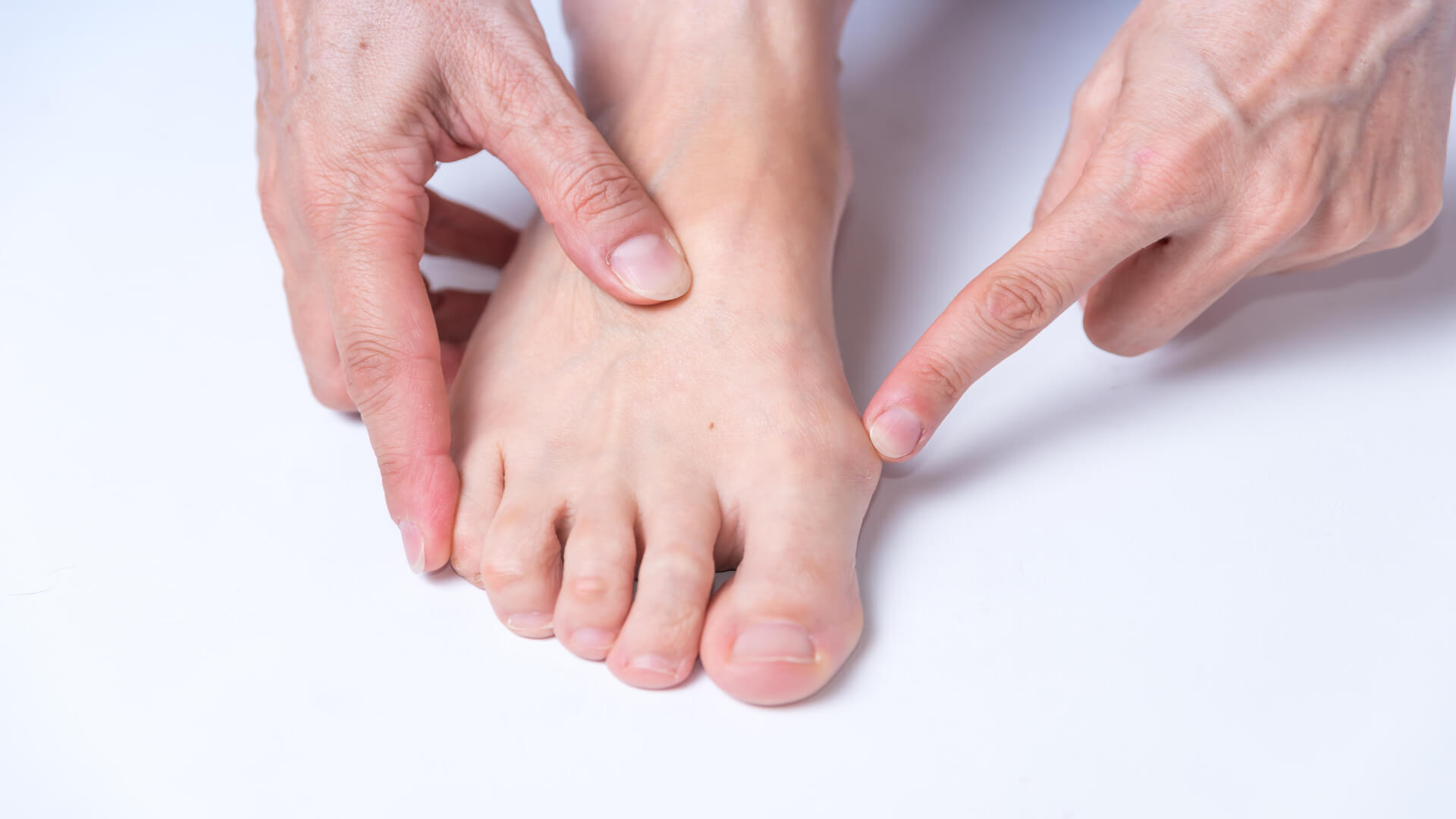
A bunion, also known as hallux valgus, is a bone deformity that occurs when the big toe (hallux) angles towards the other toes (valgus). This deviation disturbs the correct alignment of the toes, and the second or other toes may also become deformed. 
Bunions tend to progress slowly and worsen over time. They are usually painful and affect not only the foot’s appearance, but also function, making it extremely difficult to walk, even when wearing proper shoes.


What are the signs and symptoms of bunions?

Not all people with bunions experience the same symptoms, and some cases are asymptomatic. However, the most common symptoms and signs can include:

  • Bony growths

  • Angled big toe

  • Pain

  • Swelling and local redness

  • Sensitive to touch

  • Calluses

  • Restricted movement

What causes bunions? 


The causes of bunions are not fully known, but some factors can lead to their development.

Family history

It is believed that genetics play an important role in the development of bunions. Certain hereditary characteristics can influence foot structure and joint stability, thus increasing the risk of developing bunions.

Structural foot deformities

Some structural foot deformities can lead to the development of bunions, such as flat feet or high arches . These characteristics can alter the distribution of body weight on the big toe joint, increasing pressure in the region.

Wearing improper footwear

Frequently wearing tight or high-heeled footwear can put excessive pressure on the big toe joint, leading to the development of bunions. This type of footwear can press toes together and force the big toe to deviate from its normal position.


How are bunions diagnosed? 

Bunions are diagnosed by an Orthopaedic surgeon. To determine the diagnosis and assess the extent of the deformity, the physician may apply the following procedures:

Physical examination

The Orthopaedic specialist will examine the foot and big toe joint to check for a bony growth. The physician will also assess if there is pain, swelling, redness, sensitivity and calluses around the bunion.

X-Ray

The physician may prescribe X-rays to analyse the bone structure and severity of the deformity. Usually, weight-bearing foot X-rays (MCDT Standard) provide the necessary information to confirm the diagnosis, such as bone position, angle of the joint and other changes in the joint.

How are bunions treated? 

The treatment for bunions varies according to the severity of the symptoms and the functional impact on daily life. In mild to moderate cases, conservative treatment methods can be effective. In severe cases, when the symptoms are intense or foot function is impaired, surgical intervention may be necessary.

Conservative bunion treatment

Conservative treatment includes the following options:

  • Proper footwear. Patients are advised to wear proper footwear that is comfortable, spacious and has a wide toe area. Shoes should not cramp the foot, to avoid putting pressure on toe joints.
  • Insoles and orthotic devices. The use of insoles and orthotic devices can help distribute weight on the foot more evenly and provide added support, helping reduce discomfort and stabilise the joint.
  • Physiotherapy and exercises. Strengthening the muscles and performing specific foot exercises can help improve joint stability and mobility, relieving symptoms and delaying the progression of bunions.
  • Medication. In cases of pain and swelling, the physician may prescribe anti-inflammatory drugs or painkillers to temporarily relieve symptoms.

Surgical treatment for bunions

When conservative treatment is not effective or the bunion deformity is severe and substantially affects the patient’s quality of life, surgery may be considered. 
Bunion surgery aims to correct the deformity, realign the bones and restore the foot’s normal function. The intervention can involve open or percutaneous surgery, depending on the severity and angle of the bunion, the presence of arthritis (or other related pathologies) and joint mobility. 
The intervention can be performed on an outpatient basis, and the patient can be discharged within 24 hours after surgery. The latest anaesthetic and pain management techniques make these procedures quicker and less painful, rendering bunion treatment less aggressive and invasive.

Joaquim Chaves Saúde, fast and effective bunion  treatment

At Joaquim Chaves Saúde you can count on a highly qualified medical team, aided by state-of-the-art technological equipment. Here you can benefit from the most advanced treatments, where your health and comfort come first.

Schedule your consultation now to treat your bunions quickly and effectively, and get your quality of life back.


Clinical Team

We have a team of doctors and health professionals, specialists in various areas, available to give you the support you need.

  • Manuel Resende Sousa
    Medic-coordinator
    Manuel Resende Sousa
    Speciality/Service
    Orthopedics
    Key areas of expertise
    Foot and ankle pathology - forefoot deformities (hallux valgus, claw toes, among others), Flat feet, Cavus feet, Inflammatory pathology (rheumatoid arthropathy, uric arthropathy, among others), Degenerative pathology (ankle arthrosis, hindfoot, among others), Diabetic feet, Sports arthroscopy and traumatology, Traumatology and post-traumatic deformities
    Healthcare Units
    Clínica de Sintra, Clínica Cirúrgica de Carcavelos, Clínica de Miraflores, Clínica de Cascais
  • Raquel Carvalho
    Medic
    Raquel Carvalho
    Speciality/Service
    Orthopedics
    Key areas of expertise
    Children's orthopaedics , Traumatology for children (flat feet, limb deformities, dysmetria, hip dysplasia) , Sports traumatology , Foot and ankle pathology (ligament instability, sprains, osteochondral lesions, foot/ankle arthrodesis, hallux valgus/rigidus, metatarsalgia, Morton's neuroma)
    Healthcare Units
    Clínica de Sintra, Clínica de Miraflores, Clínica de Cascais

Orthopedics

Get to know this area of health and find the right care for you.

Book Appointment and Exam

Book an appointment or an exam to receive the best medical care.
Share