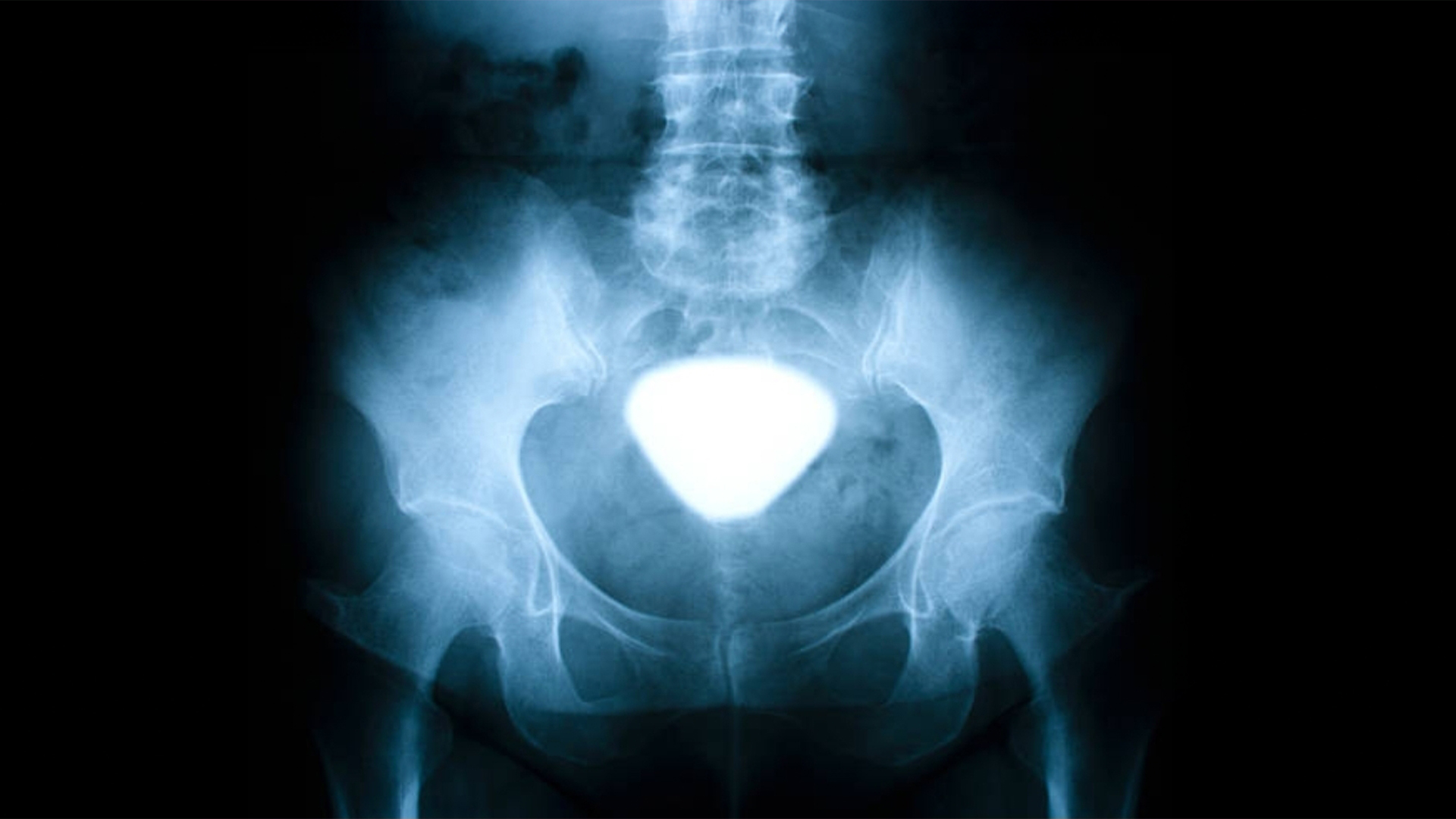
Every year, there are more than 3.500 new cases of bladder cancer in Portugal, the equivalent of 5% of all cancers detected in our country. This disease is three times more prevalent in men than in women and is most frequent between the ages of 60 and 70. Learn about the symptoms and discover essential steps to increase the effectiveness of treatment. Find out what bladder cancer is, the warning signs and how it is treated.
What is bladder cancer?
Bladder cancer occurs when the cells in the bladder lining multiply in an uncontrolled and irregular manner, exceeding the normal rate of cell renewal and leading to a buildup of cancer cells. These have the capacity to migrate and lodge in other organs (metastasis), invading and destroying tissue.
Bladder cancer is usually malignant; only 5% of bladder tumours are benign. When the tumour is confined to the bladder lining, it is called a non-muscle invasive bladder cancer (NMIBC). But when the tumour grows into the wall or other parts of the bladder, it is a malignant muscle invasive bladder cancer (MIBC). In advanced stages, the cancer invades nearby organs or the lymph nodes, progressing until it has spread to distant parts of the body.
What are the types of bladder cancer?
Bladder cancer is not a unique disease. There are different types, classified according to the type of cells where the tumour develops. This distinction is important because it influences how the disease progresses and the respective treatment options.
Urothelial carcinoma (formerly transitional cell carcinoma)
This is the most common type of bladder cancer. It develops in the urothelial cells, which line the bladder and allow this organ to expand as it stores urine. This cancer can be non-muscle invasive (NMIBC), confined to the bladder lining, or invasive (MIBC), invading deeper layers of the bladder wall.
Squamous cell carcinoma (SCC)
This type of bladder cancer is less common and is usually associated with chronic irritation or inflammation of the bladder, such as recurring urinary tract infections. SCC tends to be diagnosed in advanced stages.
Adenocarcinoma
This is a rare type of bladder cancer that develops in glandular cells. It can be associated with chronic changes in the bladder’s mucosa and, like squamous cell carcinoma, it is usually more aggressive.