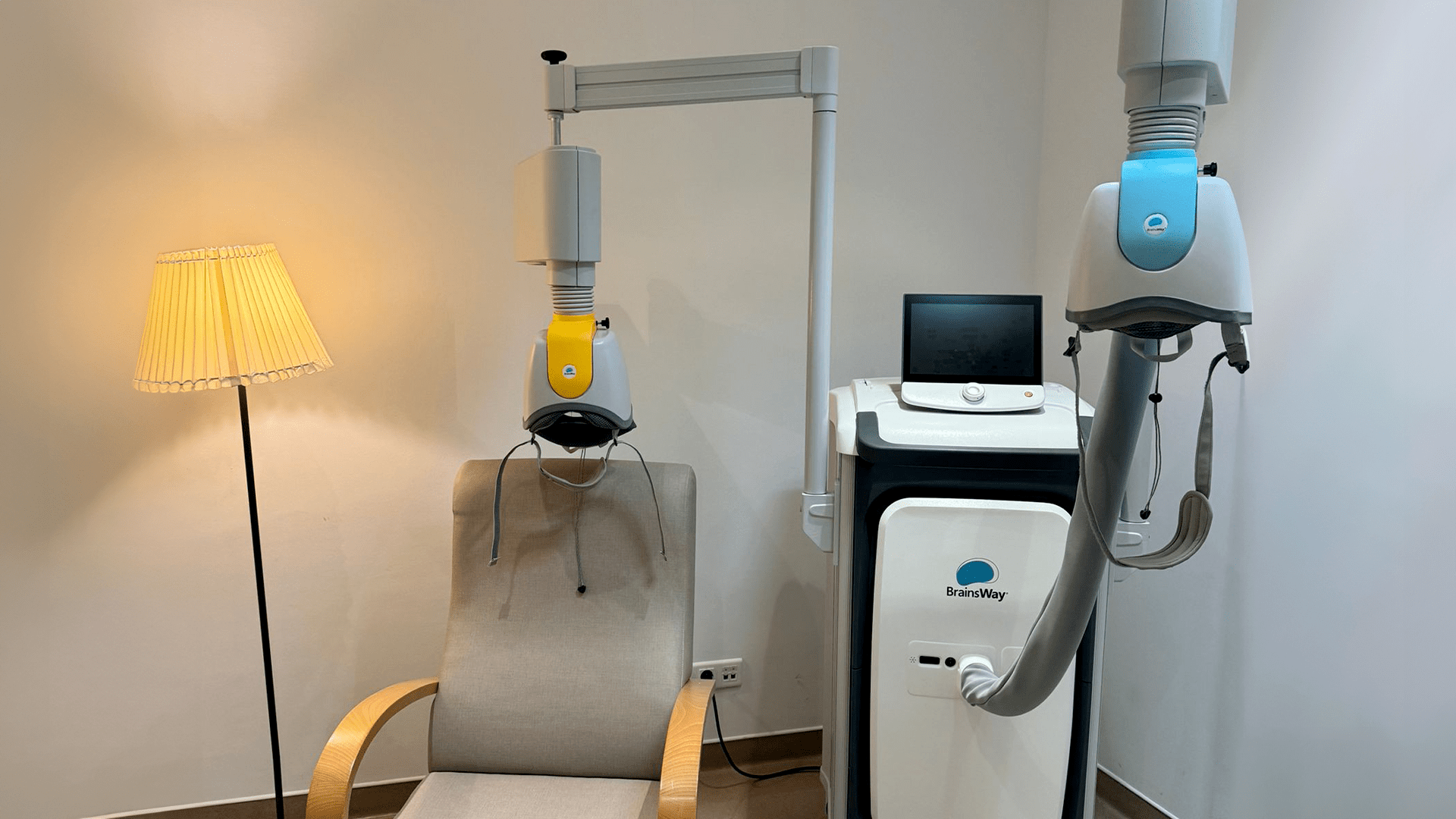
Psychiatry is the medical specialty dedicated to the diagnosis, prevention, treatment, and rehabilitation of mental, emotional, and behavioral disorders in people of all ages. Psychiatrists assess individuals comprehensively with a view to treating disorders, alleviating suffering, and improving quality of life and well-being.
Psychiatry and psychology are complementary fields and often work together in mental health care. The main difference between the two is that psychiatry is practiced by psychiatrists, who can perform a complete clinical assessment, order tests, and prescribe medication such as antidepressants, anxiolytics, mood stabilizers, and antipsychotics.
These treatments act on biological, chemical, and emotional changes in the brain and are especially important in conditions such as anxiety, depression, bipolar disorder, post-traumatic stress disorder (PTSD), psychosis, eating disorders, OCD, among others.
When should I see a psychiatrist?
You should consider seeing a psychiatrist when persistent symptoms arise that affect your emotional well-being, behavior, or functional capacity in your daily routine, work, and interpersonal relationships. Among the most frequent signs are:
-
Persistent sadness, loss of interest or pleasure in activities
-
Intense anxiety, excessive worry, or panic attacks
-
Marked mood swings or constant irritability
-
Obsessive or intrusive thoughts
-
Difficulties with concentration, memory, or reasoning
-
Sleep disturbances, such as insomnia or frequent awakenings
-
Social isolation, loss of energy or motivation
-
Significant changes in eating habits
-
Excessive consumption of alcohol or other substances
-
Symptoms of burnout or emotional exhaustion
-
Hallucinations, delusions, unjustified distrust, or sudden mental confusion