Angiology and Vascular Surgery is the medical and surgical specialty dedicated to the study, prevention, diagnosis, and treatment of diseases of the vascular system, which includes arteries, veins, and lymphatic vessels.
Angiologists and vascular surgeons work together to assess and monitor vascular pathologies, using medical, endovascular, and surgical approaches, depending on the nature and severity of the disease.
At Joaquim Chaves Saúde, Angiology and Vascular Surgery also adopts a multidisciplinary approach, working closely with specialties such as Cardiology, Imaging, Neurology, and Plastic Surgery, ensuring comprehensive and personalized care for vascular patients.
Major Diseases of the Vascular System
Vascular diseases encompass a set of pathologies that affect the arteries, veins, and lymphatic system. Many develop silently, but can lead to serious complications such as thrombosis, ischemia, ulcers, stroke, or risk of amputation.
-
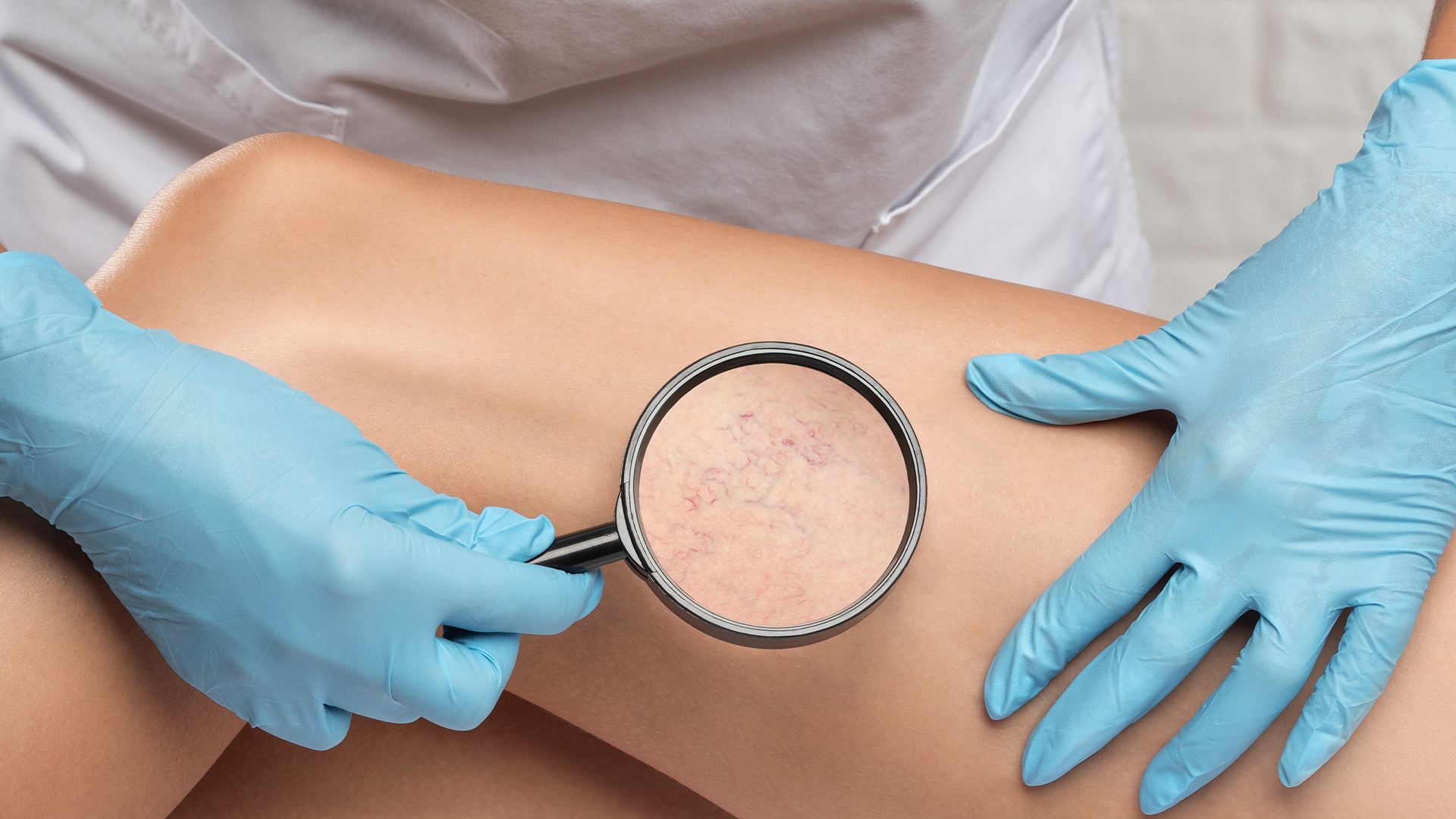
Varicose veins (chronic venous disease): It is a chronic and progressive condition, caused by the failure of the venous valves, which makes it difficult for blood to return to the heart. Symptoms of varicose veins include a feeling of heaviness in the legs, pain, swelling and, in more advanced stages, skin changes and venous ulcers.
-
Venous Thrombosis (Deep and Superficial): Formation of clots inside the veins, especially in the lower limbs. Deep thrombosis is potentially serious and can lead to pulmonary embolism.
-
Lymphedema: Abnormal accumulation of lymph in the tissues, causing persistent swelling. It can be primary (congenital) or secondary (acquired), associated with surgery, infections, cancer treatments, or radiation therapy.
-
Aortic Aneurysms and Peripheral Aneurysms: Abnormal dilation of an artery (often the aorta), with risk of rupture. Peripheral aneurysms can also cause thrombosis, ischemia, or compression of adjacent structures.
-
Peripheral Arterial Disease: Progressive obstruction of the arteries, usually caused by atherosclerosis. It causes pain when walking (claudication), cold feet, wounds that do not heal, and, in severe cases such as diabetes, risk of amputation.
-
Carotid Disease: Narrowing or release of fatty plaques in the carotid arteries, which supply blood to the brain. It is associated with an increased risk of stroke.
-
Chronic Ischemia of the Lower Limbs: Advanced stage of peripheral arterial disease, with pain at rest, chronic wounds, and gangrene, which may require surgical or endovascular revascularization procedures.
-
Aortic Dissection: A serious condition involving rupture of the aortic wall, often associated with high blood pressure.
-
Arterial Embolisms: Sudden occlusion of an artery, usually of cardiac origin, constituting a medical emergency.
-
Pelvic Congestion Syndrome: Dilation of the pelvic veins, more common in women between the ages of 20 and 50, often associated with pelvic varicose veins and chronic pelvic pain. Requires a multidisciplinary approach, particularly with Gynecology.
-
Trauma and Vascular Malformations: These include traumatic injuries and congenital abnormalities of blood vessels, which can cause bleeding, ischemia, or functional limitations.