
Urology - Blog2026-03-295 min of reading
Prostate cancer: symptoms, causes and treatment
Prostate cancer is the second leading cause of cancer death in the male population. Discover the warning signs, how to prevent it and how it’s treated.
Live well by preventing: explanations, advice and tips for your health.
111 Results
Prostate cancer is the second leading cause of cancer death in the male population. Discover the warning signs, how to prevent it and how it’s treated.

Varicose veins in the lower limbs can cause pain, swelling and discomfort in the legs. Find out what they are, why they occur, how they are treated and when to seek medical help.

Find out what pelvic congestion syndrome is, as well as the symptoms, causes and available treatment options.

Bladder cancer affects millions of people in Portugal each year. However, this disease is rarely mentioned or discussed. Learn what signs to look out for and how to it is treated.
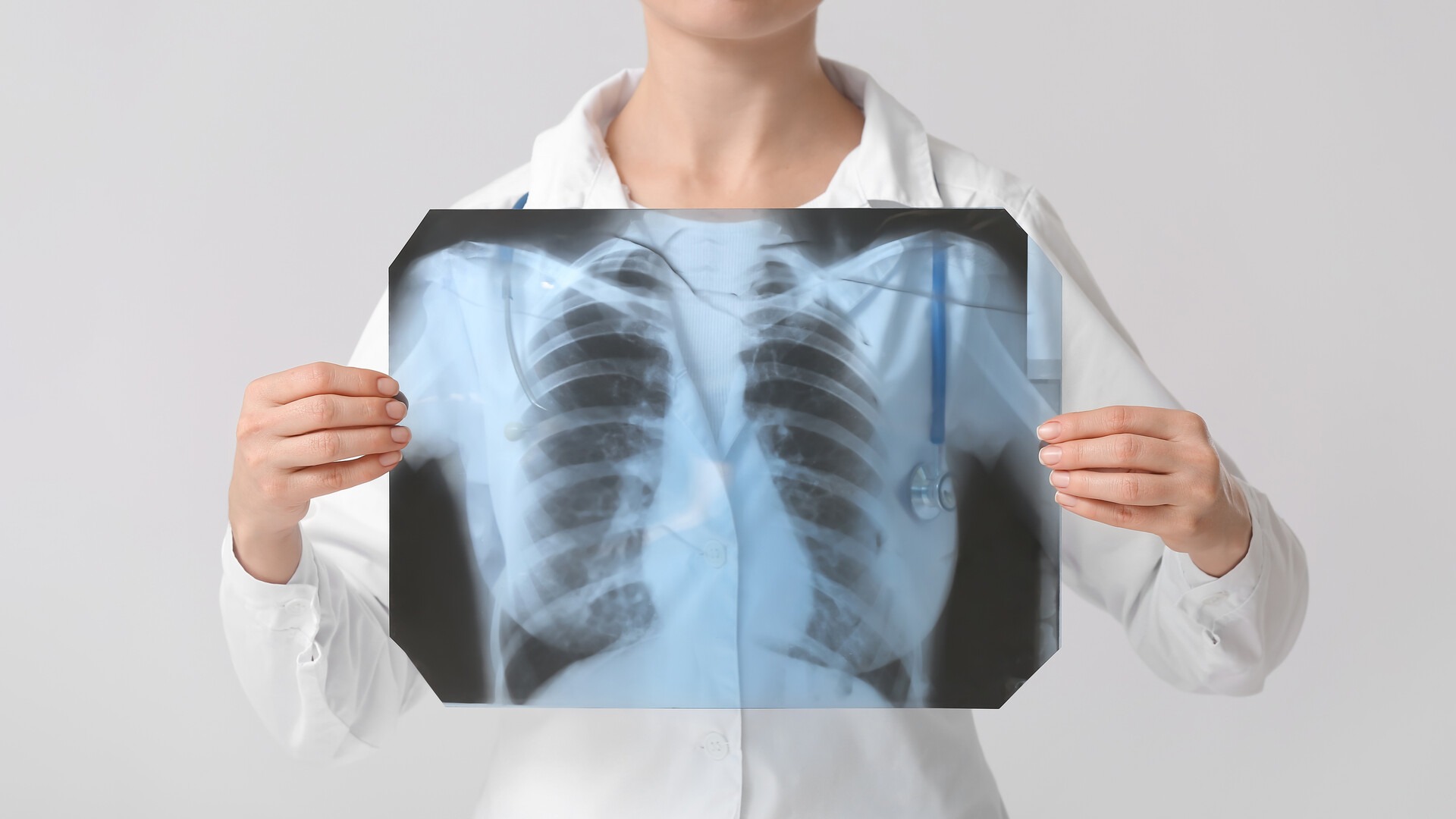
COPD is a chronic lung disease that makes breathing difficult and impacts quality of life. Find out what it is, the main symptoms and how it’s diagnosed.

Find out how to identify, treat and prevent lipoedema, as well as some practical tips to improve your quality of life.

Clinical tests analyse general health and symptoms to help guide medical decisions. Find out which are the most common tests, when to have them and how to prepare.

A migraine is not simply a headache. It's highly debilitating and has major impact on quality of life. Discover the causes and treatment.

Botox is usually associated with beauty treatments, but it can also achieve major results to treat medical conditions. Find out what botox is and the precautions to take.

The importance of a good night’s sleep is undisputed. Find out more about one of the principal causes of poor sleep - sleep apnoea.