Did you know that 1 in 10 women may be diagnosed with abnormal cervical cell changes in their lifetime? And that, if untreated, these can develop into serious lesions, such as cervical cancer ? Therefore conization, one of the fundamental procedures to identify and remove early cervical lesions, can save lives. Find out what this is, when it should be performed and what precautions to take.
What is conization?
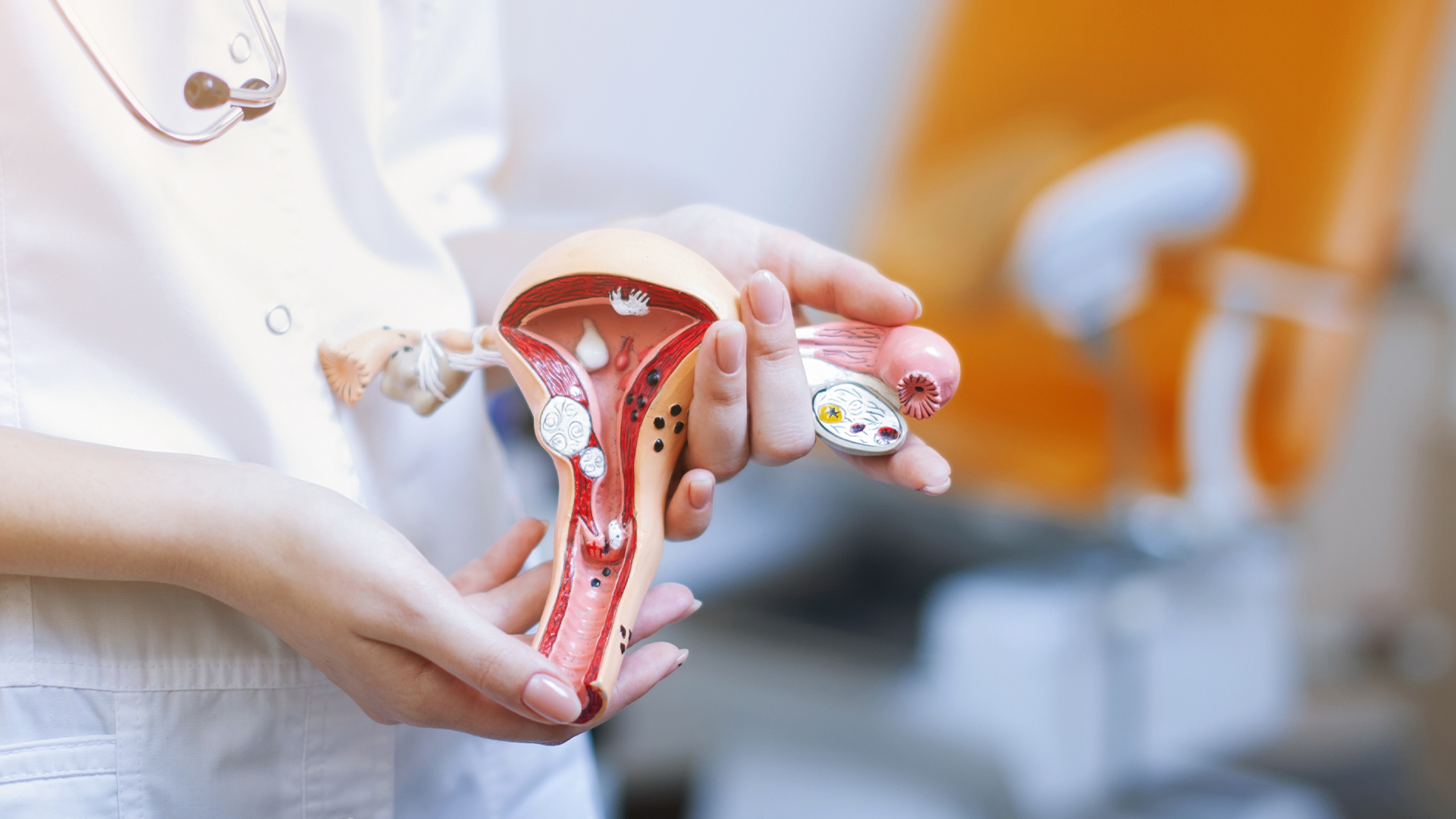
Conization, technically called a cone biopsy, is a surgical procedure performed on the cervix. The procedure involves removing a small cone-shaped wedge of cervical tissue for analysis and, in some cases, treatment. The term "cone" refers to the specific shape of the portion removed, which includes both the outer and deeper layers of cervical tissue.
What is conization for?
Conization is an essential medical procedure to diagnose and treat cellular changes in the cervix, especially when suspicious lesions are detected in exams such as Papanicolaou smear or colposcopy. The main purpose of this procedure is to obtain a tissue sample for analysis, to identify the presence of precancerous lesions, early-stage cancer or other abnormal conditions.
Furthermore, conization can be a treatment in itself. When high-grade lesions are detected – indicating a high risk of developing into cancer – removing the affected area can often solve the problem permanently, preventing the condition from developing into something more serious.
How is the procedure performed?
Conization is a relatively simple surgical procedure that does not require hospitalisation. The process begins with the administration of a local anaesthetic to ensure the patient’s comfort.
During the procedure, the physician introduces a vaginal speculum to expose the cervix – like during a pap smear. Next, using an electrosurgical instrument, a small cone-shaped portion of the cervical tissue is removed.
After excision of the tissue, the area is treated to prevent bleeding and facilitate recovery. For this, the physician inserts a sponge-shaped drug that aids coagulation and protects the treated area.
The removed tissue is then sent for laboratory analysis, where it will be examined to confirm the presence or absence of cellular changes. Altogether, the procedure takes between 15 and 30 minutes. In the end, the patient rests and remains under observation for about 1 hour.
Is any kind of preparation required?
The preparation for cervical conization is simple but essential to ensure that no complications arise.
The day before the procedure, you can follow your usual routine, unless otherwise indicated by your physician. If you have been prescribed medication, it should be taken according to the instructions provided.
On the day of the procedure, the patient should have breakfast, unless fasting was specifically recommended due to the anaesthesia. You should also comply with any medication indicated for that day.
The accompaniment of a trusted person is highly recommended, to provide support for a comfortable and safe return home.
Conization: recovery
Recovery from a cervical conization is usually simple and quick, but requires some specific precautions to ensure that the tissue heals properly.
Immediately after the procedure, some patients may feel slight discomfort or abdominal pain, like menstrual cramps. However, this symptom is usually temporary and manageable with pain medication.
Over the next days, some vaginal bleeding or discharge is normal. This is a natural sign of the healing process, and bleeding after a conization can persist for some weeks. However, it’s important to look out for warning signs, such as fever, severe pain or heavy bleeding, which should be reported to the physician immediately.
To help your recovery from conization, avoid sexual intercourse, using tampons, vaginal douching, soaking in water and strenuous exercise for at least four to six weeks (or as recommended by the gynaecologist). These precautions are essential to prevent infection and allow the cervical tissue to heal properly.