Chronic obstructive pulmonary disease (COPD): what it is, symptoms and treatment

COPD is a chronic lung disease that makes breathing difficult and impacts quality of life. Find out what it is, the main symptoms and how it’s diagnosed.

Related Tags

  • pneumology
chronic obstructive pulmonary disease

Breathing should be easy. But for people living with Chronic Obstructive Pulmonary Disease (COPD), every breath can be a challenge. This condition afflicts millions of people, can be fatal, and is often diagnosed too late. In this article, we explain what COPD is, the warning signs to look out for and treatment options that can improve quality of life.


What is chronic obstructive pulmonary disease (COPD)? 

Chronic Obstructive Pulmonary Disease is a chronic disease that can be prevented and treated, but which is not completely reversible and causes progressive breathing difficulties over time.

COPD includes two lung conditions: 

  • Chronic bronchitis: long-term inflammation of the bronchial tubes, characterised by coughing and production of phlegm. To be classified as chronic, it must occur on most days, for at least three months per year, over two consecutive years.
  • Emphysema: a gradual destruction of the alveoli, tiny air sacs in the lungs where gas exchange occurs. This causes the lung to lose elasticity and nearby airways may collapse. 

Patients can suffer from emphysema and chronic bronchitis simultaneously. 

What are the symptoms of COPD? 

At first, symptoms may appear simple and unalarming, such as a persistent cough with phlegm, which is often underestimated. Over time, more frequent episodes of acute bronchitis and respiratory infections occur. Fatigue when performing minor tasks appears and worsens, until simple everyday routines, like bathing or talking, cause shortness of breath.

For some time, despite the symptoms, the lung is able to maintain its primary function: to absorb oxygen from the air into the blood and eliminate carbon dioxide. However, as the disease progresses, lung capacity diminishes, resulting in less oxygen in the blood and accumulation of carbon dioxide - a condition known as respiratory failure.

The principal symptoms of COPD include: 

  • Shortness of breath (dyspnoea), which tends to worsen over time;
  • Chronic cough, with or without phlegm;
  • Fatigue, loss of appetite (anorexia) and weight loss. 

There are also periods when symptoms worsen substantially and accelerate the decline in pulmonary function. These can be triggered by respiratory infections or exposure to air pollutants. 

In addition, other comorbidities can aggravate the COPD clinical condition. This is the case with heart disease, depression, osteoporosis, gastroesophageal reflux, anaemia, diabetes, lung cancer and musculoskeletal disorders.

If you are or have been a smoker, or if you experience persistent respiratory symptoms (chronic cough, phlegm and shortness of breath), a spirometry should be performed. This test is essential to confirm or rule out COPD. This is a guideline of the Portuguese Directorate-General of Health and the Portuguese Society of Pulmonology (SPP-Sociedade Portuguesa de Pneumologia).

What causes chronic obstructive pulmonary disease?

Chronic obstructive pulmonary disease is caused by several factors 

  • Smoking

  • Exposure to pollutants

  • Lung infections in childhood

  • Genetic factors

How is COPD diagnosed? 

The estimated prevalence of COPD in Portugal is around 14%, which underlines the importance of an early diagnosis. 

Diagnosis begins with a clinical assessment by the physician, who will ask the patient about their symptoms, examine their chest and listen to their breathing with a stethoscope. The patient will be asked about their smoking history, family history of lung disease, and the physician may calculate the patient’s body mass index (BMI) to aid the assessment. Next, several tests may be performed to diagnose COPD. 


Spirometry 

This is the primary diagnostic test. Spirometry is a pulmonary function test that involves the patient blowing into a device called a spirometer. Before the test, bronchodilator medication may be administered to help open the airways. The spirometer measures the volume of air the patient is able breathe out in one second and the total amount of air exhaled, comparing the results with normal figures for the patient’s age. Spirometry can detect the disease even before the onset of symptoms, and is essential to monitor the condition and treatment.

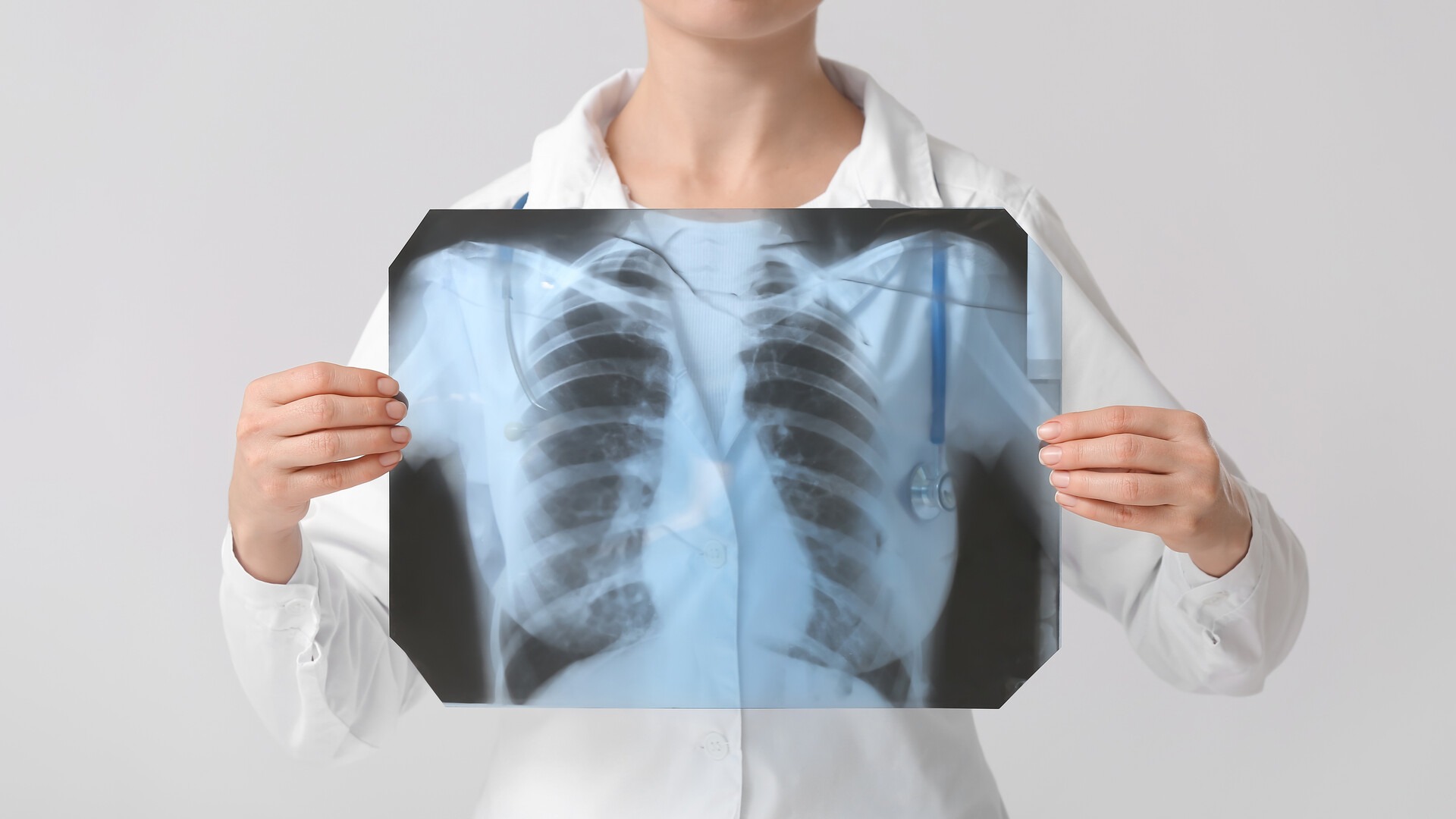
Chest X-ray 

Chest x-rays identify changes such as emphysema, ruling out other pulmonary disorders or heart failure.

Chest computed tomography (CT) scan  

This exam helps determine the extent of emphysema and detect possible tumours or other complications.

In some cases, additional exams may be prescribed, such as electrocardiogram, echocardiogram, peak flow test, blood oxygen test and sputum analysis to check for lung infections.


How to prevent chronic obstructive pulmonary disease? 

The most effective step to prevent the development of this disease is to reduce or eliminate the exposure to agents that cause lung damage. For this, it is crucial to:

  • Stop smoking. Smoking is the primary cause of COPD. It’s crucial to quit smoking, whether traditional cigarettes or other tobacco products, to protect lung health.

  • Avoid passive smoking. Exposure to tobacco smoke, especially for babies and children, can compromise lung development and increase the risk of disease. 

  • Reduce indoor pollution. Using clean energy sources and proper ventilation are important measures to reduce this risk.

  • Prevent exacerbation of COPD. For people already suffering from this disease, controlling exposure to irritants and following treatment correctly helps reduce flare-ups.

  • Vaccination against influenza and pneumococcus. Yearly vaccination against influenza and pneumococcus is an important recommendation to prevent respiratory infections and reduce the risk of complications, especially in people with COPD or a high risk of developing the disease.

How is chronic obstructive pulmonary disease treated?

\n

There is currently no cure for Chronic Obstructive Pulmonary Disease, but the right treatment can help control symptoms, delay progression of the disease and improve quality of life.

\n

Giving up smoking is the most effective intervention to stop the progression of COPD. Irrespective of the stage of the disease, quitting smoking improves pulmonary function, reduces flare-ups and increases the survival rate.

\n

The main treatment options include:

\n
  • Inhalers

  • Oral medication

  • Pulmonary rehabilitation

  • Oxygen therapy

  • Non-invasive ventilation

  • Surgery

Diagnosing COPD at Joaquim Chaves Saúde  

Due to the diagnostic complexity, Chronic Obstructive Pulmonary Disease is often underdiagnosed or confused with other conditions. This is why it’s crucial to consult professionals who are specialists in Pulmonology and pay close attention to detail.  

At Joaquim Chaves Saúde, COPD is diagnosed by a specialised team, using differentiated tests such spirometry, lung diffusion testing and plethysmography. These exams enable a precise assessment of lung function, helping confirm the diagnosis and determine the degree of respiratory impairment.

If you are experiencing persistent symptoms, schedule your consultation as soon as possible.  

Clinical Team

We have a team of doctors and health professionals, specialists in various areas, available to give you the support you need.

Richard Staats
Medic
Richard Staats
Speciality/Service
Pneumology
Key areas of expertise
Sleep Medicine, Bronchial Obstruction Diseases (COPD, Bronchial Asthma), General Pulmonology
Healthcare Units
Clínica de Miraflores, Clínica de Cascais
Mónica Pereira
Medic
Mónica Pereira
Speciality/Service
Pneumology
Key areas of expertise
General Pulmonology, Sleep Pathology
Healthcare Units
Clínica de Miraflores, Clínica de Cascais
João Dias Cardoso
Medic
João Dias Cardoso
Speciality/Service
Pneumology
Key areas of expertise
Chronic Obstructive Pulmonary Disease, Respiratory failure, Asthma, Smoking Cessation, Respiratory Endoscopy, Pleural Techniques
Healthcare Units
Clínica de Sintra, Clínica Cirúrgica de Carcavelos
Rafaela B. Campanha
Medic-coordinator
Rafaela B. Campanha
Speciality/Service
Pneumology
Key areas of expertise
General Pulmonology, Respiratory Rehabilitation, Obstructive Sleep Pathology, Chronic Obstructive Pulmonary Disease, Bronchial Asthma, Smoking Cessation
Healthcare Units
Clínica de Sintra, Clínica Cirúrgica de Carcavelos, Clínica de Miraflores, Clínica de Cascais

Pneumology

Get to know this area of health and find the right care for you.

Book Appointment and Exam

Book an appointment or an exam to receive the best medical care.
Share