When not to use botox?
Although botulinum toxin is considered extremely safe, there are situations in which this treatment is not advisable. A medical assessment is critical to guarantee that the procedure is suitable and does not compromise the client’s health. We list below the principal contraindications.
1. Pregnancy and breastfeeding
Due to the lack of sufficient studies proving its safety in these situations, as a precaution, botulinum toxin should not be administered during pregnancy or when breastfeeding.
2. Neuromuscular disorders
People with conditions such as myasthenia gravis, amyotrophic lateral sclerosis or Lambert-Eaton myasthenic syndrome should not be treated with botox, as this toxin may have unpredictable effects on muscle function.
3. Allergies or hypersensitivity
Botulinum toxin is contraindicated in clients with known allergies to any of the components in the formula, including albumin or the toxin itself.
4. Infection or inflammation in the injection site
If there is an active infection, inflammation or any dermatological alteration in the area where the botox is to be applied, the procedure should be postponed until the skin has fully recovered.
5. Use of certain medications
Certain drugs, such as aminoglycosides or muscle relaxants, may interfere with the action of botox. It’s essential to inform the physician about all medication being taken, including supplements and natural products.
How is botox applied?
The application of botulinum toxin is quick, safe and performed in a controlled clinical environment.
1. Individual medical assessment
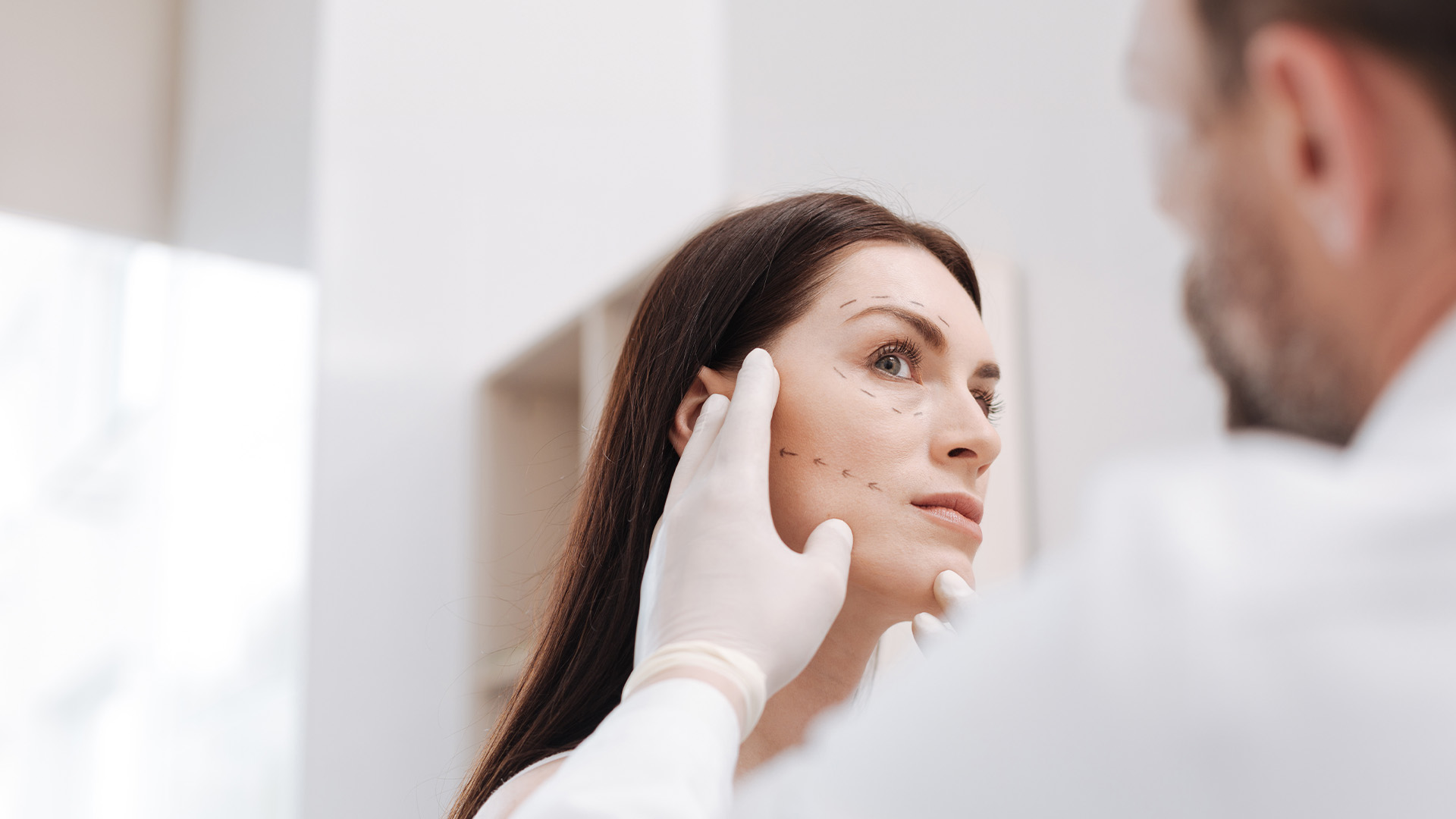
The procedure is preceded by a consultation to analyse the client’s facial features, muscle anatomy and goals. This stage is crucial to guarantee that the treatment is adapted to each person’s specific needs.
2. Plan areas for application
Based on the assessment, the physician defines the exact points where the toxin will be applied. This plan is made according to the highest clinical standards, taking into account the facial symmetry, muscle strength and intended effect.
3. Minimally invasive procedure
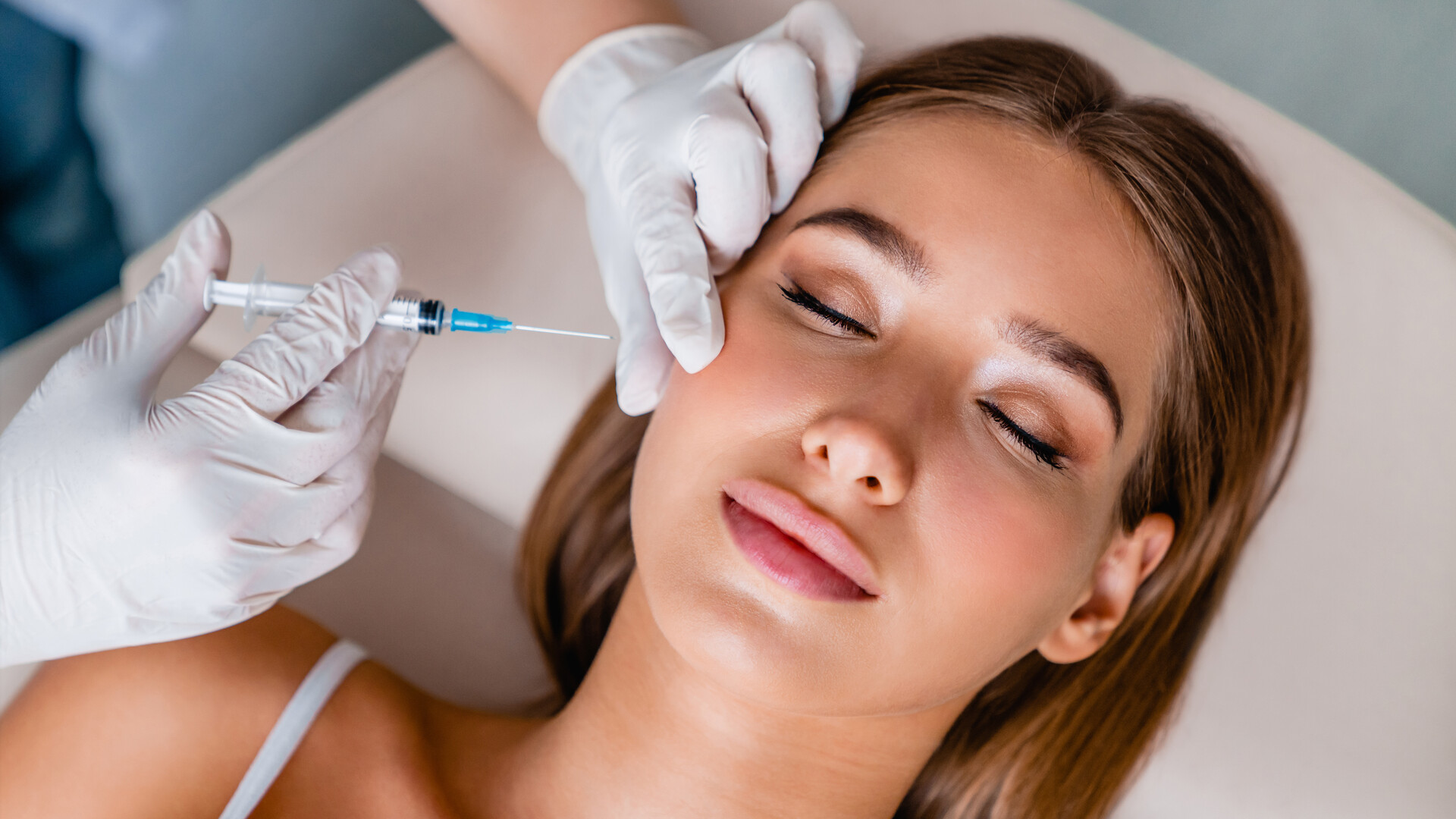
After disinfecting the skin, small injections are administered using a micro-needle. Discomfort is minimal and no anaesthetic is required, although a numbing cream can be applied if necessary. The procedure usually takes 15 to 30 minutes.
4. Post-procedure guidelines
At the end, the client is given certain instructions, such as to avoid lying down or physical exertion in the hours following the procedure, not massaging the treated area, and avoiding exposure to heat and ultraviolet radiation for a few days after the treatment. These guidelines help maximise results and prevent minor unwanted side effects.
Is any type of preparation required?
Although treatment with botulinum toxin is simple and quick, some precautions can be taken beforehand to help ensure greater comfort during the procedure and reduce the risk of minor undesired side effects. The preparation is easy and doesn’t require any significant changes in the client’s routine.
1. Avoid anticoagulants and anti-inflammatories
In the days before the procedure, if possible, avoid medications like aspirin, ibuprofen or other anticoagulants. This measure reduces the likelihood of bruising after the injections.
2. Provide medical history
It is essential for the client to inform the physician of chronic diseases, allergies, ongoing treatments and prior procedures in the area to be treated. This allows the specialist to adjust the therapeutic plan and guarantee total safety.
3. Clean and makeup-free skin
On the day of the treatment, the area to be treated should be clean and free of make-up, creams or other topical products, to make disinfection and botox application easier.
What results can be expected from botox?
Depending on the type of botulinum toxin applied, in most cases, the effects begin to appear gradually between the third and fifth day after application, reaching peak effectiveness at around two weeks. During this period, dynamic wrinkles become noticeably smoother — namely on the forehead, between the eyebrows and around the eyes — creating a natural but more rested and youthful expression.
On average, the results last between four and six months, depending on factors such as the area treated, the dose applied, the individual’s metabolism and repetition of the treatment. Regular applications not only maintain the desired effect, but gradually soften wrinkles over time, as the treated muscles tend to lose contraction strength.
How is the post-botox recovery?
Recovery is quick and does not require rest. Clients can resume their daily routine immediately, including work and social activities. However, in the first four hours, they should avoid lying down or physical exertion, as well as rubbing or massaging the treated area, for the toxin to remain in the exact sites where it was applied.
In the 24 hours after the procedure, avoid exposure to excessive heat, such as saunas, steam baths or direct sunlight, as well as alcohol consumption. These simple precautions help prevent minor complications, such as bruising or asymmetry. A follow-up consultation can be scheduled for approximately two weeks after the procedure to monitor results and, if necessary, make slight adjustments.
Does botox have side effects?
Botulinum toxin is a safe and well tolerated treatment when applied by qualified professionals. When they occur, side effects are usually mild and temporary. These can include slight pain in the injection site, a feeling of weight or tension in the treated area, minor bruising or oedema, which disappear gradually after a few days.
In rare cases, asymmetries or slight drooping of the eyelid (ptosis) may occur, situations that are reversible and improve as the effect of the toxin wears off. The best way to prevent complications is to ensure that the procedure is performed in a clinical environment, by experienced professionals with specific training (dermatologists and/or plastic surgeons). The client’s safety should always come first.